Filipino Food for the Gods Recipe Easy Guide
Craving a taste of home but short on time? Many of us dream of recreating those beloved Filipino dishes that bring back cherished memories. The good news is, preparing authentic Filipino flavors doesn’t have to be complicated.
This guide focuses on the delightful food for the gods recipe filipino, a dish that’s as beloved as it is delicious. You’ll learn simple steps to achieve that perfect sweet and savory balance, making it a hit for family gatherings or a simple weeknight meal. Get ready to impress with this straightforward and satisfying recipe.
Key Takeaways
- Discover the simple ingredients needed for a classic Filipino Food for the Gods.
- Learn step-by-step cooking instructions for a delicious outcome.
- Understand common variations and tips for customizing the dish.
- Find out how to serve and store this popular Filipino treat.
- Gain insights into the cultural significance of Food for the Gods.
The Beloved Filipino Food for the Gods Recipe
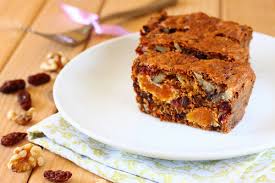
The Filipino Food for the Gods is a cherished confection, often associated with celebrations and special occasions. Its name, “Food of the Gods,” suggests a dish so exquisite it’s fit for deities. This sweet and savory treat typically features a base of ground meat, often pork, combined with a rich, sweet glaze made from ingredients like soy sauce, sugar, and sometimes pineapple.
The result is a tender, flavorful bite that is both comforting and uniquely Filipino. Understanding the core components is the first step to mastering this recipe.
This section will break down the fundamental elements of what makes this dish so special. We will explore the typical ingredients used, the desired texture, and the characteristic taste profile that defines it. By grasping these basics, you’ll be well-equipped to follow along with the detailed instructions and even adapt the recipe to your preferences.
Preparing this dish is more than just cooking; it’s an act of sharing culture and tradition through food.
Essential Ingredients for Food for the Gods
To begin crafting your delicious Filipino Food for the Gods, gather these key ingredients. The foundation is usually ground pork, chosen for its tenderness and ability to absorb flavors. High-quality ground pork will yield a better texture.
For the irresistible glaze, you’ll need soy sauce, providing a salty, umami depth. Brown sugar or muscovado sugar contributes the necessary sweetness and a hint of caramel. Garlic and onions are essential aromatics that build the flavor base, offering pungent notes that balance the sweetness.
Pineapple chunks or juice are often included to add a fruity tang and help tenderize the meat. Some recipes also call for a touch of vinegar, like rice vinegar, to brighten the flavors and cut through the richness. Black pepper is a standard seasoning for a mild kick.
For a richer, more complex glaze, some cooks add a bit of oyster sauce or even a touch of honey. These ingredients, when combined correctly, create the signature sweet, savory, and slightly tangy profile that makes this dish so addictive.
- Ground Pork: This is the primary protein, offering a tender and succulent base.
- Soy Sauce: Provides the essential salty and umami notes.
- Brown Sugar or Muscovado Sugar: For that classic sweet flavor and glaze consistency.
- Garlic and Onions: The aromatic foundation that enhances the overall taste.
- Pineapple (chunks or juice): Adds a fruity sweetness and helps tenderize the meat.
- Black Pepper: For a subtle spicy element.
The quality of your ingredients directly impacts the final dish. For example, using fresh garlic and onions rather than powdered versions will provide a more vibrant flavor. Similarly, the type of sugar used can influence the color and depth of the glaze.
Muscovado sugar, with its molasses content, offers a richer, more complex sweetness than regular brown sugar.
Preparing the Meat Base
The preparation of the ground pork is a crucial step in achieving the perfect texture for your Food for the Gods. Start by ensuring your pork is not too lean; a little fat content helps keep the dish moist and flavorful. If you’re grinding your own pork, a slightly coarser grind can add a pleasant chewiness.
When you begin cooking, use a large pan or wok over medium-high heat.
Add a small amount of cooking oil if your pork is very lean, but often the fat from the pork itself will suffice. Break up the ground pork as it cooks, aiming for small, distinct pieces rather than a large clump. You want each piece to have a chance to brown and crisp slightly, which adds to the overall flavor and texture.
Cook until the pork is no longer pink and has started to develop a nice golden-brown color.
Drain any excess fat from the pan. This step is important to prevent the dish from becoming too greasy. A well-drained base ensures that the glaze can coat the meat evenly without being diluted by rendered fat.
Proper draining also contributes to a cleaner flavor profile, allowing the sweetness and savory notes to shine through. This careful preparation sets the stage for the delicious glaze that follows.
Crafting the Sweet and Savory Glaze
The heart of the Filipino Food for the Gods lies in its irresistible glaze. This is where the magic happens, transforming simple ground pork into a culinary delight. The base of the glaze typically involves a careful balance of soy sauce and sugar.
You’ll want to use a good quality soy sauce for a richer, more authentic flavor. For the sugar, brown sugar or muscovado sugar is preferred over white sugar because it imparts a deeper, caramelized sweetness and a beautiful, rich color to the glaze.
In a separate bowl or directly in the pan after draining the pork, combine your soy sauce and sugar. Whisk them together until the sugar begins to dissolve. This mixture will form the backbone of your glaze.
The ratio of soy sauce to sugar is key; too much soy sauce can make it overly salty, while too much sugar can make it cloying. Aim for a harmonious blend where neither flavor overpowers the other.
Once you have your basic soy sauce and sugar mixture, it’s time to add the aromatics and other flavor enhancers. Finely minced garlic and chopped onions are sautéed until fragrant, then added to the glaze mixture. This releases their essential oils and adds a layer of savory depth.
If you’re using pineapple, you can add either fresh pineapple chunks, pineapple juice, or a combination. The natural acidity and sweetness of the pineapple complement the other ingredients beautifully and help to tenderize the meat.
- Soy Sauce and Sugar Ratio: Aim for a balance that is neither too salty nor too sweet.
- Aromatics: Fresh garlic and onions are vital for depth of flavor.
- Pineapple Inclusion: Adds fruitiness, tanginess, and tenderness.
- Optional Additions: Vinegar for brightness, oyster sauce for umami, or honey for extra gloss.
The cooking process for the glaze is just as important as the ingredients. Once the aromatics and glaze components are combined with the cooked pork, you’ll simmer everything together. This allows the flavors to meld and the glaze to thicken to a sticky, coating consistency.
Stir frequently to prevent burning, especially as the sugar caramelizes. A good glaze should coat the back of a spoon and have a beautiful sheen.
Cooking and Finishing the Dish
The cooking phase is where all the individual elements come together to create the final, delectable Filipino Food for the Gods. After preparing the meat base and crafting the sweet and savory glaze, it’s time to combine them and let the flavors meld. This step requires patience and attention to ensure the glaze coats every piece of meat perfectly and thickens to the desired consistency.
In the same pan where you cooked the pork, add your prepared glaze mixture. Stir well to ensure the glaze coats all the ground meat evenly. If you’re using pineapple chunks, add them now.
The heat should be medium-low to allow the flavors to develop without burning the sugars in the glaze. Constant stirring is essential during this phase. As the mixture simmers, the glaze will start to reduce and thicken.
You’re looking for a sticky, rich consistency where the glaze clings to the meat. This process can take anywhere from 10 to 20 minutes, depending on the heat and the amount of liquid in your glaze. Taste and adjust seasoning as needed.
If it’s too salty, a little more sugar or a splash of water can help. If it’s not savory enough, a touch more soy sauce might be in order. The goal is a harmonious balance of sweet, salty, and savory notes.
Simmering for Flavor Infusion
Simmering is where the magic truly happens, allowing the flavors of the glaze to penetrate the ground pork. Once you’ve combined the meat and glaze, maintain a gentle simmer over medium-low heat. This slow cooking process allows the sugars to caramelize, creating a beautiful, glossy coating on the pork.
It also gives the aromatics, like garlic and onions, time to fully infuse their flavor into the dish.
Stirring is crucial during this stage to prevent the sugars from sticking to the bottom of the pan and burning. As the liquid reduces, the glaze will naturally thicken. You can visually assess the consistency by observing how it coats a spoon or the back of the meat.
The ideal result is a sticky, slightly chewy texture that clings to each piece of pork. This process typically takes about 10-20 minutes, but can vary.
During the simmering, pay attention to the aroma. A rich, sweet, and savory scent filling your kitchen is a good indicator that the flavors are developing beautifully. If the glaze becomes too thick too quickly, you can add a tablespoon or two of water or pineapple juice to achieve the desired consistency.
Conversely, if it’s too thin, continue simmering and stirring until it reduces further. The final texture should be somewhat dry, with the glaze clinging to the meat rather than pooling at the bottom of the pan.
Achieving the Perfect Texture
The texture of your Filipino Food for the Gods is as important as its taste. You want the pork to be tender and moist, not dry or mushy. The glaze should be sticky and slightly chewy, coating each piece of meat without being watery or burnt.
Achieving this balance comes from careful cooking and ingredient ratios. Using ground pork with a moderate fat content (around 20%) is key for moisture.
The simmering time is critical. Too short, and the glaze will be runny. Too long, and the pork can become dry, and the glaze might burn.
Watch for the glaze to reduce and thicken to a point where it coats the meat like a sticky candy. It shouldn’t be saucy but rather a beautiful, caramelized coating. If you’re using pineapple chunks, ensure they are tender but still hold their shape, adding bursts of sweetness and moisture.
Another factor influencing texture is the size of the pork pieces. A medium grind is generally preferred, offering a satisfying bite. Overcooking can lead to tough meat and a burnt glaze.
Therefore, it’s essential to stir frequently and monitor the heat. The aim is for tender, flavorful pork enveloped in a perfectly sticky, sweet, and savory glaze.
Serving Suggestions
Once your Filipino Food for the Gods is perfectly cooked and its glaze has thickened to perfection, it’s time to serve. This dish is incredibly versatile and can be enjoyed in several ways. The most traditional and popular way to serve it is as a savory side dish or a main course, typically alongside steamed white rice.
The fluffy rice is the perfect vehicle to soak up any lingering glaze and complement the rich flavors of the pork.
You can present it directly from the pan, showcasing its glossy, caramelized coating. A sprinkle of toasted sesame seeds or finely chopped green onions can add a lovely visual appeal and a fresh, contrasting flavor. Some people also like to add a few fresh pineapple chunks as a garnish for extra color and a touch of freshness.
The visual appeal is part of the enjoyment, so a nice presentation makes the dish even more inviting.
Beyond being a staple rice accompaniment, Filipino Food for the Gods can also be a fantastic appetizer. Serve small portions in tasting spoons or individual ramekins. It’s also a delightful addition to a potluck or a Filipino-style feast (fiesta).
The sweet and savory notes make it a crowd-pleaser for all ages. Its rich flavor profile also means a little goes a long way, making it an economical yet impressive dish.
- With Steamed Rice: The classic pairing, allowing the rice to soak up the delicious glaze.
- As an Appetizer: Serve in small portions for a delightful start to a meal.
- At Potlucks and Fiestas: Its crowd-pleasing nature makes it a welcome addition.
- Garnishes: Toasted sesame seeds, green onions, or fresh pineapple chunks enhance presentation.
Variations and Customizations
While the classic Filipino Food for the Gods recipe is beloved for its balanced sweet and savory profile, there’s ample room for personalization. Every family often has their own subtle twists, making the dish unique. Exploring these variations allows you to adapt the recipe to your specific tastes or dietary needs.
Whether you prefer it sweeter, spicier, or with different proteins, there are many ways to make it your own.
One of the most common areas for customization is the sweetness level. If you have a preference for a sweeter dish, you can increase the amount of brown sugar or muscovado sugar. Alternatively, for those who prefer a less sweet flavor, you can reduce the sugar slightly and perhaps add a bit more soy sauce or a splash of vinegar to balance it out.
The key is to taste and adjust as you cook, aiming for your preferred sweet-to-savory ratio.
Another popular variation involves the type of meat used. While ground pork is traditional, some recipes feature ground beef, chicken, or even a combination of meats. Each protein will impart a slightly different flavor and texture.
For instance, beef might require a longer simmering time to become tender, while chicken can cook more quickly. The choice of meat can also affect the richness of the final dish.
Spicy Food for the Gods
For those who enjoy a bit of heat, transforming your Filipino Food for the Gods into a spicy version is quite simple. The easiest way to introduce spiciness is by adding chili flakes or chopped fresh chilies to the sautéed aromatics before adding the glaze. Varieties like red chilies (siling labuyo) or jalapeños can provide a good kick.
Start with a small amount and gradually add more until you reach your desired level of heat.
Another method is to incorporate a dash of hot sauce into the glaze itself. Sriracha, chili garlic sauce, or even a Filipino-style hot sauce can be stirred in during the simmering process. This allows the heat to integrate smoothly with the sweet and savory flavors.
Be mindful that some hot sauces are also salty, so you may need to adjust the soy sauce or sugar accordingly.
For a deeper, more complex spicy flavor, consider using chili powder or smoked paprika. These can be added along with the garlic and onions or directly into the glaze. Smoked paprika not only adds a smoky depth but also a mild warmth.
When experimenting with spice, it’s always best to add ingredients incrementally and taste as you go. This ensures you don’t overpower the other delicate flavors of the dish.
Example of Adjusting Spice Level
- Sauté minced garlic and onions.
- Add 1-2 teaspoons of red chili flakes and cook for 30 seconds until fragrant.
- Pour in the soy sauce and sugar mixture and bring to a simmer.
- Add the cooked ground pork and pineapple chunks.
- Stir occasionally until the glaze thickens. Taste and add more chili flakes if desired.
Meatless or Vegetarian Adaptations
Creating a vegetarian or vegan version of Filipino Food for the Gods is achievable by substituting the meat with plant-based alternatives. One popular option is to use finely chopped mushrooms, such as shiitake or button mushrooms. Mushrooms offer an earthy flavor and a chewy texture that can mimic meat.
Sauté them until they release their moisture and start to brown before adding them to the glaze.
Another excellent substitute is textured vegetable protein (TVP), also known as soy protein. TVP has a neutral flavor and a versatile texture that absorbs marinades and sauces well. Rehydrate it according to package instructions, then sauté it until browned before incorporating it into the glaze.
This provides a satisfying, protein-rich base.
For a unique texture, some recipes use mashed or pureed tofu or even jackfruit. Jackfruit, when young and green, has a stringy texture that can resemble pulled meat. It needs to be cooked and seasoned thoroughly to absorb the flavors of the glaze.
When making a vegetarian adaptation, ensure all other ingredients, like soy sauce, are also vegetarian-friendly.
Alternative Sweeteners and Liquids
Beyond traditional brown sugar, other sweeteners can be used to create different flavor profiles for your Filipino Food for the Gods. Honey offers a more floral sweetness and a beautiful gloss to the glaze. Maple syrup can introduce a subtle, rich flavor that pairs well with the savory elements.
Coconut sugar provides a caramel-like sweetness similar to muscovado sugar but with a distinct coconut undertone.
The liquid component of the glaze can also be varied. Instead of just water or pineapple juice, you might use a bit of broth (vegetable broth for vegetarian versions) to add another layer of flavor. Coconut milk, in moderation, can add a creamy richness, though this would significantly alter the classic profile.
Some adventurous cooks even experiment with a splash of orange juice or a bit of tamarind paste for a tangier glaze.
When substituting sweeteners or liquids, it’s essential to adjust cooking times and potentially the ratios. Different sugars caramelize at different rates, and some liquids may require longer reduction times. Always taste and adjust the balance of sweet, savory, and tart flavors to achieve your desired outcome.
This experimentation is part of the joy of home cooking and discovering your perfect version of the dish.
Cultural Significance and Traditional Enjoyment
The name “Food for the Gods” itself hints at the special place this dish holds in Filipino culture. It’s not merely a meal; it’s often associated with joy, celebration, and abundance. Traditionally, dishes that are particularly rich, flavorful, and perhaps a bit more indulgent than everyday fare are given such esteemed names.
This reflects the Filipino appreciation for food as a way to express love, hospitality, and gratitude.
Preparing and sharing Food for the Gods is often a communal activity, especially during holidays like Christmas, New Year, or family reunions. The process of cooking together, from chopping ingredients to stirring the simmering glaze, strengthens bonds and creates lasting memories. It embodies the Filipino spirit of ‘bayanihan’ (community spirit) through the shared enjoyment of food.
The sweet and savory profile is particularly appealing to the Filipino palate, which often enjoys a complex blend of flavors. This dish’s ability to satisfy multiple taste preferences makes it a reliable choice for gatherings. It represents a desire to offer something truly special and delicious to guests, a culinary gift worthy of admiration, hence the name.
Food for the Gods in Filipino Celebrations
Filipino celebrations, whether large family reunions or smaller festive occasions, are often defined by the food served. Food for the Gods is a frequent guest at these tables, prized for its comforting familiarity and its irresistibly rich taste. It’s a dish that evokes nostalgia for many, reminding them of childhood meals and cherished family traditions.
Its presence signifies a festive mood and a desire to offer something truly delightful to loved ones.
During the Christmas season, a time of great festivity and family gatherings in the Philippines, dishes like Food for the Gods are prepared in larger batches. The abundance of the holiday is reflected in the generous preparation of such well-loved recipes. It’s common to find this dish among other festive favorites like lechon, pancit, and various desserts, contributing to a truly celebratory spread.
Similarly, during ‘fiestas’—local festivals celebrating patron saints—this dish often makes an appearance. These events are characterized by open houses and communal feasting, where hosts proudly present their best culinary offerings. Food for the Gods, with its universally appealing flavors, is sure to be a hit among diverse guests, reflecting the Filipino tradition of generous hospitality.
The Art of Sharing
In Filipino culture, food is inextricably linked to sharing and community. The act of preparing a dish like Food for the Gods and offering it to others is a profound expression of care and affection. It’s about more than just sustenance; it’s about connection and strengthening relationships.
When you prepare this recipe, you are participating in a long-standing tradition of generosity.
This sharing extends to teaching the recipe to younger generations. Passing down culinary knowledge ensures that these beloved dishes continue to be enjoyed and that the cultural heritage associated with them is preserved. It’s a way for families to maintain a connection to their roots and to each other, even when living far apart.
Serving a plate of Food for the Gods to friends and family is a gesture of welcome and inclusion. It says, “I’ve prepared something special for you.” The communal aspect of enjoying food together is central to Filipino social life, and dishes like this are designed to be shared and savored by many. This shared experience fosters a sense of belonging and joy.
Common Myths Debunked
Myth 1: Food for the Gods is always extremely sweet
While sweetness is a defining characteristic of Filipino Food for the Gods, it’s not always overwhelmingly sweet. The best recipes achieve a balance between sweet and savory. The level of sweetness can also be adjusted based on personal preference during preparation.
If you find a recipe too sweet, you can reduce the sugar next time or increase the soy sauce slightly.
Myth 2: You must use specific, hard-to-find ingredients
Many of the core ingredients for this dish, such as ground pork, soy sauce, sugar, garlic, and onions, are readily available in most grocery stores worldwide. While some variations might call for less common items like muscovado sugar or specific types of chili, the essential components are quite accessible, making it a practical dish to prepare.
Myth 3: It takes a very long time to cook
While some dishes from Filipino cuisine can be time-consuming, a classic Food for the Gods recipe is relatively quick to prepare. The actual cooking time for the pork and simmering the glaze typically takes less than an hour, making it suitable for weeknight meals or when you need a delicious dish on short notice. Proper preparation of ingredients speeds up the process.
Myth 4: This dish is only for special occasions
Although Food for the Gods is often featured at celebrations due to its delicious and appealing nature, it’s perfectly suitable for everyday meals as well. Its comforting flavors and satisfying texture make it a great accompaniment to steamed rice any day of the week. Many families enjoy it regularly as a favorite home-cooked meal.
Frequently Asked Questions
Question: What kind of pork is best for this recipe?
Answer: Ground pork with about 20% fat content is ideal. This fat content helps keep the dish moist and flavorful. If you use leaner pork, consider adding a little oil during cooking.
Question: Can I make this recipe ahead of time?
Answer: Yes, Filipino Food for the Gods can be made ahead of time. The flavors often meld and deepen overnight, making it even tastier the next day. Store it in an airtight container in the refrigerator.
Question: How do I reheat leftovers?
Answer: Reheat gently in a pan over medium-low heat, stirring occasionally. You can add a tablespoon or two of water or broth if the glaze seems too thick or dry. Avoid microwaving for too long, as it can dry out the pork.
Question: Is it possible to freeze Food for the Gods?
Answer: Yes, this dish freezes well. Let it cool completely, then transfer it to a freezer-safe container or bag. It can be stored in the freezer for up to 2-3 months.
Thaw overnight in the refrigerator before reheating.
Question: What makes it called “Food for the Gods”?
Answer: The name suggests the dish is so delicious and special that it’s fit for gods. It reflects its rich, beloved flavor and its common appearance at celebrations and feasts, signifying a dish of high regard and enjoyment.
Conclusion
Mastering the food for the gods recipe filipino brings a taste of cherished tradition right into your kitchen. You’ve learned the core ingredients, the sweet and savory balance, and simple cooking steps. Whether you customize it with a little spice or serve it simply with rice, this dish promises satisfaction.
Enjoy creating this delightful Filipino classic!

Related Posts
Exploring Local D Food Collabs In Dalton GA
Easy Food Recipes For Kids