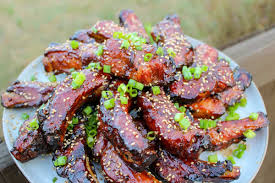
The Best Fried Ribs Recipe Soul Food Guide
Craving that crispy, flavorful bite that just screams comfort? We’ve all been there, dreaming of perfectly fried ribs that transport us back to Grandma’s kitchen. Making truly amazing fried ribs recipe soul food at home might seem tricky, but it’s totally doable with the right steps.
This guide will walk you through everything you need to know to achieve that golden brown crunch and juicy, tender inside everyone loves. Get ready to impress your family and friends with your new go-to recipe.
Key Takeaways
- Learn the best rib cuts for frying.
- Discover simple seasoning blends for authentic soul food flavor.
- Master the perfect frying temperature and technique.
- Get tips for achieving that desirable crispy texture.
- Understand how to serve your fried ribs for maximum enjoyment.
Choosing The Perfect Ribs For Frying
Selecting the right cut of pork ribs is the first step to incredible fried ribs. Not all ribs are created equal when it comes to frying. You want ribs that are tender enough to cook through quickly without drying out, but also have enough fat to stay moist and flavorful.
The fat also helps in achieving that perfect crispy exterior we all desire. Different cuts offer unique textures and flavors, so understanding these differences will help you choose the best ribs for your soul food masterpiece. This choice sets the foundation for the entire cooking process.
Baby Back Ribs
Baby back ribs are known for being leaner and more tender. They cook faster because of their smaller size and less dense meat. This makes them a good option if you’re short on time.
However, their leanness means they can dry out more easily if overcooked, so careful attention to cooking time is crucial. Their flavor is usually a bit milder than spare ribs.
Spare Ribs
Spare ribs are a larger, fattier cut. They come from the belly side of the hog. The extra fat renders down beautifully during cooking, keeping the ribs moist and adding a rich flavor.
This fat content also contributes to a wonderfully crispy texture when fried. Spare ribs are a classic choice for many traditional soul food dishes because of their robust flavor and satisfying chew.
St. Louis Style Ribs
St. Louis style ribs are essentially spare ribs that have been trimmed to a more uniform shape. They remove the sternum bone and skirt steak.
This results in a flatter rack with more meat between the bones. They offer a good balance of meat, fat, and tenderness, making them an excellent choice for frying and a popular option for barbecue.
- The choice of rib cut impacts tenderness and fat content.
- Baby back ribs cook quickly but require careful monitoring to avoid drying out.
- Spare ribs offer richer flavor and juicier results due to higher fat.
- St. Louis style ribs provide a balanced, meaty option with a uniform shape.
Mastering The Seasoning For Soul Food Flavor
The magic of soul food lies in its deeply satisfying and aromatic seasonings. For fried ribs, a well-balanced blend of spices is key to achieving that authentic taste. It’s not just about heat; it’s about creating layers of savory, sweet, and sometimes tangy notes that complement the pork.
This seasoning process happens before frying, allowing the flavors to penetrate the meat. A good marinade or rub can transform simple pork ribs into an unforgettable dish. The right blend will make your fried ribs stand out.
Classic Soul Food Spice Blend
A foundational blend often includes paprika for color and mild sweetness, garlic powder and onion powder for savory depth, black pepper for a bit of bite, and salt to enhance all the other flavors. Many recipes also add a touch of cayenne pepper for subtle heat, or smoked paprika for an extra layer of smoky deliciousness. Some cooks might include a pinch of sugar to help with caramelization and crisping.
The Role Of Marinades
While a dry rub is common, a wet marinade can also be incredibly effective for fried ribs. Marinades often incorporate acidic ingredients like buttermilk or vinegar, which help to tenderize the meat. They can also include liquid seasonings like Worcestershire sauce or hot sauce, adding moisture and flavor.
Marinating for at least a few hours, or even overnight, allows the flavors to soak deep into the rib meat, ensuring every bite is packed with taste.
For instance, a buttermilk marinade is a popular choice. The lactic acid in buttermilk gently breaks down tough muscle fibers, resulting in exceptionally tender ribs. It also provides a slightly tangy base that pairs wonderfully with the savory spices.
Achieving The Right Texture Before Frying
Before they hit the hot oil, the ribs need to be prepared to ensure a crispy coating. This often involves a dredge in seasoned flour or a cornstarch mixture. This coating is crucial for creating that signature crunch and helping the seasonings adhere.
It acts as a barrier, trapping the juices inside the ribs as they fry.
- A balanced spice blend is essential for authentic soul food flavor.
- Key spices include paprika, garlic powder, onion powder, salt, and pepper.
- Marinades, especially those with buttermilk, help tenderize the meat and add flavor.
- A dredge of seasoned flour or cornstarch is vital for achieving a crispy coating.
The Frying Process For Perfect Crispy Ribs
Fried Ribs Recipe Soul Food Perfection
Preparing The Frying Station
Safety and efficiency are paramount when frying. You’ll need a heavy-bottomed pot or a deep fryer, enough cooking oil to submerge the ribs, and a thermometer to monitor the oil temperature precisely. Have a wire rack set over a baking sheet ready for draining the cooked ribs.
This setup allows air to circulate, preventing the ribs from becoming soggy. Preheating the oil to the correct temperature is crucial for getting crispy results without greasy ribs.
Oil Selection And Temperature
For frying, a neutral-flavored oil with a high smoke point is ideal. Canola oil, vegetable oil, or peanut oil are common choices. The ideal frying temperature for ribs is typically between 325°F and 350°F (160°C to 175°C).
If the oil is too cool, the ribs will absorb too much grease and become heavy. If it’s too hot, the outside will burn before the inside is cooked through. Using a thermometer is non-negotiable for consistent results.
Maintaining this temperature is a balancing act. As you add the ribs, the oil temperature will drop. You may need to adjust the heat to bring it back up.
A slight drop is acceptable, but significant fluctuations should be avoided. Most deep fryers have controls for this, while stovetop frying requires more attention to the burner.
The Frying Method
It’s usually best to fry ribs in batches, rather than crowding the pot. Overcrowding lowers the oil temperature drastically and leads to uneven cooking and a greasy product. Carefully lower the seasoned and floured ribs into the hot oil.
They will likely sizzle vigorously.
Fry the ribs for several minutes per side, until they are deeply golden brown and wonderfully crispy. The exact time will depend on the size of your rib pieces and the thickness of the meat. For smaller, individual ribs or riblets, this might be 5-8 minutes.
For larger sections, it could be longer.
Double Frying For Extra Crispiness
A pro tip for achieving an exceptional crunch is double frying. This involves frying the ribs once at a slightly lower temperature (around 300°F or 150°C) until they are cooked through but not yet fully browned. Then, remove them and let them rest for a few minutes.
Before serving, fry them again at a higher temperature (350°F to 375°F or 175°C to 190°C) for a shorter period, just until they reach that perfect, shatteringly crisp golden-brown finish. This technique ensures the inside is perfectly tender and the outside is incredibly crispy.
Consider this scenario: You’ve fried your ribs for the first time at 300°F for about 8 minutes. They are cooked but pale. You let them cool on the rack for 5 minutes.
Then, you increase the oil temperature to 375°F. You place the ribs back in the oil for just 2-3 minutes, turning them once. The result is a texture that is far superior to a single fry.
| Step | Temperature | Time | Result |
|---|---|---|---|
| First Fry | 300-325°F (150-160°C) | 8-12 minutes (depending on size) | Cooked through, pale golden |
| Rest | N/A | 5-10 minutes | Allows moisture to redistribute |
| Second Fry | 350-375°F (175-190°C) | 2-4 minutes | Deep golden brown, extra crispy |
- Use a heavy-bottomed pot or deep fryer for safe frying.
- Maintain oil temperature between 325°F and 350°F (160°C-175°C) for best results.
- Fry ribs in batches to prevent overcrowding and ensure even cooking.
- Double frying offers an superior crispy texture by cooking and then crisping separately.
Serving Your Fried Ribs
Once your fried ribs are perfectly crispy and golden, it’s time to serve them hot and fresh. The way you present and pair them can elevate the entire soul food experience. Think about classic accompaniments that complement the rich, savory flavors of the ribs.
Serving them immediately after they’ve finished draining is key to enjoying that optimal crunch before it has a chance to soften.
Classic Soul Food Pairings
Fried ribs are often the star of the show and pair wonderfully with traditional side dishes. Macaroni and cheese, collard greens, potato salad, baked beans, and cornbread are all classic choices. These sides offer a balance of textures and flavors that enhance the overall meal without overpowering the ribs.
Sauces And Condiments
While many prefer their fried ribs unadorned to savor the seasoned crust and tender meat, some enjoy a side of sauce. A good barbecue sauce, a tangy vinegar-based sauce, or even a spicy aioli can be excellent additions. Offer a few options to let your guests customize their plates.
However, remember that the best fried ribs recipe soul food often shines on its own, so a light drizzle or a dip is usually preferred.
Presentation Matters
Arrange the ribs attractively on a platter. You can serve them as whole racks (if you’ve done the double fry and they hold their shape well) or cut into individual ribs or small portions. Garnishing with fresh parsley or a sprinkle of extra seasoning can add a professional touch.
- Serve fried ribs immediately for maximum crispiness.
- Pair with classic soul food sides like mac and cheese or collard greens.
- Offer a selection of sauces, but let the ribs’ flavor be the main event.
- Present the ribs attractively on a platter, cut into manageable portions.
Common Myths Debunked
Myth 1: Fried Ribs Are Always Greasy
This is a common misconception. While improper frying techniques can lead to greasy food, correctly fried ribs should be crispy and light, not heavy or oily. The key is using the right oil temperature and not overcrowding the fryer.
Double frying also helps ensure a crisp exterior that seals in juices and repels excess oil. When done right, the oil coating is minimal and contributes to the crunch.
Myth 2: You Can Only Fry Spare Ribs
While spare ribs are a fantastic choice due to their fat content, other cuts like baby back or St. Louis style ribs can also be fried successfully. The method might need slight adjustments based on the cut’s leanness and size.
For leaner ribs, being extra vigilant about cooking time is important to prevent them from drying out. The seasoning and coating techniques remain largely the same, adapting to the specific rib type.
Myth 3: You Need A Commercial Deep Fryer To Make Good Fried Ribs
Absolutely not. A sturdy, heavy-bottomed pot or Dutch oven on your stovetop works perfectly well for frying ribs. The most critical equipment is a reliable thermometer to ensure the oil stays at the correct temperature.
With careful attention and the right pot, you can achieve restaurant-quality results at home without specialized equipment. The focus is on technique and temperature control, not the fryer itself.
Myth 4: Frying Ribs Is Unhealthy
Like any food, moderation is key. While frying involves oil, ribs themselves can be a source of protein. The perception of “unhealthy” often comes from comparison or portion size.
When prepared with care and served with balanced sides, fried ribs can absolutely be part of a varied diet. The joy and satisfaction they bring are also valuable aspects of a meal.
Frequently Asked Questions
Question: What is the best temperature to fry pork ribs
Answer: The ideal frying temperature for pork ribs is typically between 325°F and 350°F (160°C to 175°C). Maintaining this temperature is crucial for achieving a crispy exterior without overcooking the interior.
Question: How long do I need to fry pork ribs
Answer: The frying time varies based on the size of the rib pieces. Generally, fry for 5-8 minutes per side for smaller ribs or sections, or until deeply golden brown and crispy. Double frying may involve an initial fry of 8-12 minutes followed by a shorter second fry of 2-4 minutes.
Question: Can I use baby back ribs for frying
Answer: Yes, you can use baby back ribs. They are leaner and cook faster. Be mindful of their cooking time to prevent them from drying out.
Ensure they are well-seasoned and coated for the best results.
Question: What kind of oil is best for frying ribs
Answer: Use a neutral-flavored oil with a high smoke point, such as canola oil, vegetable oil, or peanut oil. These oils can withstand the high temperatures required for deep frying.
Question: Should I season the flour for dredging
Answer: Absolutely. Seasoning the flour or cornstarch mixture you use for dredging is essential. This infuses flavor directly into the crispy coating and helps it adhere better to the ribs.
Wrap Up
Creating delicious fried ribs recipe soul food is all about the right cut, bold seasoning, and careful frying. Follow these steps for perfectly crispy, juicy ribs that taste like they came straight from a favorite diner. Enjoy your homemade soul food masterpiece and share the joy with everyone.

Related Posts
Filipino Food for the Gods Recipe Easy Guide
Exploring Local D Food Collabs In Dalton GA