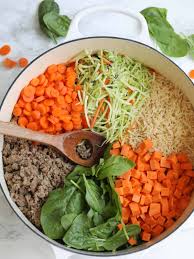
Homemade Dog Food Recipe Simple and Healthy
Has your furry friend been picky lately or do you just want to know exactly what’s going into their bowl? Many pet parents worry about the quality of store-bought dog food, wondering about fillers or ingredients they can’t pronounce. Creating your own dog food offers peace of mind and allows you to tailor meals to your dog’s specific needs.
This guide provides a straightforward recipe for dog food made at home, ensuring your dog gets balanced nutrition with wholesome ingredients. You’ll learn how to make delicious, healthy meals that your dog will love, boosting their health and your confidence as a pet owner.
Key Takeaways
- Understand the benefits of making dog food at home.
- Learn a simple, balanced recipe for homemade dog food.
- Discover how to adjust recipes for your dog’s specific needs.
- Find tips for storing and serving homemade dog food safely.
- Recognize common ingredients to include and avoid.
- Gain confidence in preparing nutritious meals for your canine companion.
Creating a Nourishing Recipe for Dog Food Made at Home
Making your own dog food can seem like a big undertaking, but it doesn’t have to be complicated. The core idea is to provide a balanced mix of protein, carbohydrates, and healthy fats, along with essential vitamins and minerals. This approach ensures your dog receives complete nutrition, much like they would from a high-quality commercial food.
We’ll focus on a foundational recipe that is easy to follow and customize, laying the groundwork for a healthier, happier dog. This section will break down the essential components of a balanced homemade diet and introduce our primary recipe.
Essential Components of Homemade Dog Food
A healthy homemade dog food recipe needs to include several key nutrient groups. Protein is vital for muscle development and repair. Good sources include lean meats like chicken, turkey, or beef, and fish.
Carbohydrates provide energy and fiber. Healthy options include cooked rice, sweet potatoes, or oats. Fats are crucial for energy, skin and coat health, and nutrient absorption.
Essential fatty acids can come from sources like fish oil or flaxseed oil. Vegetables and fruits add vitamins, minerals, and antioxidants. Cooked carrots, peas, green beans, and blueberries are excellent choices.
- Protein Sources
- Carbohydrate Bases
- Healthy Fat Additions
- Fruits and Vegetables
Protein is the building block of your dog’s body. It’s essential for repairing tissues, building muscle, and supporting immune function. When choosing protein for your homemade dog food, opt for lean cuts.
For instance, skinless chicken breast or lean ground turkey are great choices. If your dog has sensitivities, a novel protein like duck or lamb might be a good alternative. It’s also important to cook these proteins thoroughly to eliminate any harmful bacteria.
Raw meat diets, while popular with some owners, carry risks of salmonella and E. coli that can affect both your dog and your household. Ensuring thorough cooking is a primary safety step.
Carbohydrates offer readily available energy for your dog’s daily activities. They also contribute dietary fiber, which aids in digestion and can help maintain a healthy gut. White rice is easily digestible for many dogs, making it a good starting point.
Brown rice offers more fiber and nutrients but can be harder for some dogs to digest. Sweet potatoes are packed with vitamins A and C, and are a great source of fiber. Oats are another excellent option, providing complex carbohydrates and soluble fiber, which can be beneficial for digestive health.
Always cook these grains and starches thoroughly before adding them to your dog’s food.
Healthy fats are not just for energy; they play a critical role in your dog’s overall well-being. They are essential for absorbing fat-soluble vitamins like A, D, E, and K. Omega-3 and Omega-6 fatty acids are particularly important.
Omega-3s, often found in fish oil, can help reduce inflammation and support brain health. Omega-6s, common in vegetable oils, are important for skin and coat health. Adding a small amount of a high-quality fish oil or flaxseed oil to your dog’s food can provide these vital nutrients.
Be mindful of the amount; too much fat can lead to digestive upset or weight gain.
Fruits and vegetables add a wealth of vitamins, minerals, and antioxidants to your dog’s diet. Antioxidants help combat free radicals in the body, supporting a strong immune system and potentially reducing the risk of chronic diseases. Carrots are rich in beta-carotene, which the body converts to vitamin A, good for vision and skin.
Peas and green beans provide fiber, vitamins, and minerals. Berries like blueberries are potent sources of antioxidants. It’s important to prepare these vegetables properly.
Steaming or lightly boiling them makes them easier to digest and their nutrients more accessible. Some fruits and vegetables, like grapes and onions, are toxic to dogs and should always be avoided.
Our Simple Homemade Dog Food Recipe
This recipe is designed to be a balanced starting point. It uses common ingredients that are generally safe and well-tolerated by most dogs. Remember to consult with your veterinarian before making significant changes to your dog’s diet, especially if your dog has any existing health conditions or allergies.
Yields: Approximately 5-7 days of food for a medium-sized dog.
Prep time: 30 minutes
Cook time: 45-60 minutes
Ingredients
- 2 pounds lean ground turkey or chicken
- 1 cup uncooked brown rice or white rice
- 1 cup mixed cooked vegetables (e.g., peas, carrots, green beans), chopped
- 2 tablespoons olive oil or fish oil
- 1 teaspoon dried parsley (optional, for freshness)
- Water as needed
Instructions
- Cook the rice according to package directions. Set aside.
- In a large pot or skillet, brown the ground turkey or chicken over medium heat. Drain off any excess fat.
- Add the cooked rice, mixed vegetables, and olive oil (or fish oil) to the pot with the meat.
- Stir everything together to combine. If the mixture seems too dry, add a small amount of water (about 1/4 cup) and stir.
- Cook for another 5-10 minutes, stirring occasionally, until everything is heated through and well combined.
- Stir in the dried parsley, if using.
- Allow the mixture to cool completely before serving.
This recipe provides a good balance of protein, carbohydrates, and essential fats. The vegetables add vital vitamins and minerals. The optional parsley can help freshen your dog’s breath.
Making sure the food cools completely before serving is important for your dog’s safety and to prevent thermal burns.
Customizing Your Recipe for Dog Food Made at Home
Every dog is an individual, and their dietary needs can vary based on age, activity level, breed, and health status. This section will guide you on how to adapt our basic recipe to better suit your specific canine companion. It’s about fine-tuning the ingredients and proportions to ensure optimal health and well-being.
Adjusting Protein Sources
The type and amount of protein can be adjusted. If your dog is very active, they might benefit from a slightly higher protein content. Conversely, a less active or senior dog might do better with a moderate amount.
If your dog has a known allergy to chicken or turkey, you can easily substitute other lean proteins like lean beef, lamb, or even fish such as salmon or cod. Always introduce new protein sources gradually to monitor for any digestive upset or allergic reactions. For example, you could start by replacing half of the usual protein with a new one for a few days.
- Lean Beef
- Lamb
- Fish (Salmon, Cod)
- Duck
Lean beef is a great source of iron and B vitamins, which are essential for energy metabolism. Ground beef, with a fat content of 85% lean or higher, is a good choice. Lamb is often well-tolerated by dogs with sensitive stomachs and provides a rich source of protein and essential fatty acids.
When using lamb, it’s advisable to trim visible fat before cooking to keep the meal balanced. Fish like salmon and cod are excellent sources of omega-3 fatty acids, which are beneficial for skin, coat, and joint health. Ensure any fish is cooked thoroughly and bones are removed to prevent choking hazards.
Carbohydrate and Vegetable Variations
While rice is a staple, you can experiment with other carbohydrates like quinoa, barley, or oats. Quinoa is a complete protein and a good source of fiber. Barley is another whole grain that offers fiber and minerals.
Oats are known for their soluble fiber content, which can be soothing for the digestive system. When introducing new grains, start with small amounts to see how your dog tolerates them. For vegetables, a wide variety can be used.
Broccoli, cauliflower, spinach, and sweet potatoes are all nutritious options. Always cook fibrous vegetables thoroughly to improve digestibility. Avoid starchy vegetables like corn in large quantities, as they can be harder for dogs to digest.
- Quinoa
- Barley
- Oats
- Sweet Potatoes
- Broccoli
- Spinach
Sweet potatoes are a fantastic source of beta-carotene, which is converted to Vitamin A in the body. Vitamin A is crucial for vision, immune function, and skin health. They also provide fiber and some Vitamin C.
Broccoli and cauliflower are cruciferous vegetables that offer fiber, vitamins C and K, and various antioxidants. However, they can cause gas in some dogs if not cooked thoroughly. Spinach is a nutritional powerhouse, packed with iron, calcium, and vitamins A, C, and K.
It should be cooked to make its nutrients more bioavailable and to reduce oxalates, which can interfere with calcium absorption.
Adding Healthy Fats and Supplements
The amount of fat in your dog’s diet should be carefully monitored. While necessary, too much can lead to obesity or pancreatitis. The oil added in our recipe contributes healthy fats.
Other sources include small amounts of avocado (pit and skin removed, as they are toxic), or fatty fish cooked without salt. If you’re concerned about specific nutrient deficiencies, talk to your vet about adding dog-specific supplements. These might include a multivitamin, probiotics for gut health, or joint supplements for older dogs.
Never give human supplements to your dog without veterinary guidance.
- Fish Oil
- Flaxseed Oil
- Probiotics
- Joint Supplements
Fish oil, rich in EPA and DHA, is renowned for its anti-inflammatory properties. This can be particularly helpful for dogs with arthritis or skin allergies. The dosage should be based on your dog’s weight and the concentration of the oil.
Flaxseed oil provides ALA, another omega-3 fatty acid, though the conversion to EPA and DHA in dogs is less efficient than from fish oil. Probiotics are beneficial bacteria that support a healthy gut microbiome. A balanced gut can improve digestion, nutrient absorption, and even immune function.
Joint supplements often contain glucosamine and chondroitin, which can help support cartilage health and reduce pain in dogs with joint issues.
Portion Control and Feeding Guidelines
Determining the right portion size is crucial. A general guideline is to feed 2-3% of your dog’s ideal body weight per day, divided into two meals. For example, a 50-pound dog might need 1 to 1.5 pounds of food per day.
This amount can vary significantly based on your dog’s metabolism, activity level, and the caloric density of the food you prepare. It’s always best to start with a recommended portion and monitor your dog’s weight and body condition. If they are gaining too much weight, reduce the portion.
If they are losing weight or seem hungry, slightly increase the amount.
Regular weigh-ins are recommended. Aim for a steady weight over time, avoiding rapid gains or losses. You should be able to feel your dog’s ribs easily with light pressure, but not see them protruding.
If you’re unsure about portion sizes, a veterinarian or a veterinary nutritionist can help you calculate the exact caloric needs for your dog. They can also help ensure your homemade diet is nutritionally complete for your specific pet.
It’s also important to consider the ingredients you use. For instance, fatty meats will have more calories than lean meats. Grains can be more calorie-dense than some vegetables.
When you switch to homemade food, observe your dog’s stool. Firm, consistent stools indicate good digestion and nutrient absorption. Loose stools might suggest the food is too rich or difficult to digest, requiring adjustments to ingredients or portions.
Safety and Storage of Homemade Dog Food
Preparing homemade dog food requires attention to food safety to prevent spoilage and protect your dog from harmful bacteria. Proper storage is just as important as the preparation itself. This section covers best practices to ensure your homemade meals are safe and beneficial for your dog.
Handling Raw and Cooked Ingredients
When working with raw meats, it’s essential to practice good hygiene. Always wash your hands thoroughly with soap and water after handling raw meat. Use separate cutting boards and utensils for raw meat and produce.
Clean all surfaces that come into contact with raw meat immediately after use. This prevents the spread of bacteria like Salmonella and E. coli, which can make both you and your dog sick.
Cooking meats thoroughly kills most harmful bacteria. Ensure that ground meats are cooked to an internal temperature of 160°F (71°C).
- Wash hands thoroughly after handling raw meat.
- Use separate cutting boards for raw meat.
- Clean all surfaces immediately after use.
- Cook meats thoroughly to 160°F (71°C).
Cross-contamination is a significant risk in any kitchen, especially when preparing raw ingredients. This means bacteria from one food item can transfer to another. For example, if you prepare raw chicken on a cutting board and then use that same board to chop vegetables for your dog’s meal without washing it, you risk contaminating the vegetables.
Similarly, stray droplets from raw meat can land on countertops or utensils. Washing hands and surfaces promptly with hot, soapy water is paramount. Even when cooking ingredients, residual bacteria on utensils can pose a risk if not cleaned.
The cooking process is a critical step in ensuring the safety of homemade dog food. While some proponents of raw feeding argue for its benefits, the scientific consensus points to the risks associated with uncooked meat. For homemade cooked meals, the goal is to reach a temperature that eliminates common foodborne pathogens.
For ground meats like turkey or beef, this typically means ensuring no pink remains in the center and that the internal temperature reaches 160°F. For whole cuts of meat, the same principle applies, though cooking times will vary based on thickness and cut.
Proper Storage Methods
Once the dog food has cooled completely, it should be stored properly. Refrigerate portions that will be used within 3-4 days. For longer storage, divide the cooled food into individual meal-sized portions and freeze them.
Airtight containers are best for both refrigeration and freezing to prevent freezer burn and odor absorption. Label each container with the date it was prepared to ensure you use the oldest batches first.
When freezing, use freezer-safe bags or containers. Squeeze out as much air as possible from bags before sealing to minimize ice crystal formation. Frozen dog food can last for up to 2-3 months.
Always thaw frozen portions in the refrigerator overnight. Never leave homemade dog food sitting at room temperature for extended periods, as this allows bacteria to multiply rapidly. If you notice any signs of spoilage, such as an off odor or mold, discard the entire batch.
The general rule for refrigerated cooked food is that it’s safe for 3 to 4 days. After that, the risk of bacterial growth increases. It’s a good practice to prepare food in batches that align with this timeframe to minimize waste and ensure freshness.
For example, if you prepare food on a Sunday, you should aim to finish it by Wednesday or Thursday. This ensures your dog is consistently getting fresh, safe meals without compromising their health due to spoilage.
Recognizing Signs of Spoilage
Trust your senses when it comes to food safety. Spoiled dog food may have an unpleasant odor that differs from its normal smell, a slimy texture, or visible signs of mold. If you have any doubts about the freshness or safety of the food, it’s always better to err on the side of caution and discard it.
Your dog’s health is paramount, and the risks associated with feeding spoiled food are not worth taking.
Common Myths Debunked
Myth 1: Homemade dog food is always more expensive than commercial food.
While the upfront cost of buying ingredients in smaller quantities might seem higher, preparing dog food at home can often be more cost-effective, especially for larger dogs or when buying ingredients in bulk. By carefully planning your purchases and utilizing sales, you can reduce expenses. Additionally, the potential long-term health benefits and reduced veterinary bills associated with a healthier diet can offset initial costs.
Myth 2: It’s impossible to create a nutritionally complete homemade diet.
With careful planning and by using a balanced recipe, it is absolutely possible to create a nutritionally complete diet for your dog. This involves ensuring the right balance of protein, carbohydrates, fats, vitamins, and minerals. Consulting with a veterinary nutritionist or your veterinarian can help ensure your chosen recipe meets all of your dog’s dietary requirements.
Our recipe serves as a solid, balanced foundation.
Myth 3: You need special equipment to make dog food.
Most recipes for dog food made at home require standard kitchen equipment that most people already own. A large pot or skillet for cooking, measuring cups and spoons, a knife and cutting board, and airtight containers for storage are usually all that’s needed. There’s no need for specialized blenders or dehydrators unless you are pursuing more advanced preparation methods.
Myth 4: Homemade food spoils too quickly to be practical.
When stored correctly in the refrigerator for a few days or frozen in airtight containers, homemade dog food remains safe and nutritious. Preparing food in batches that fit your dog’s consumption within 3-4 days, or freezing portions for longer storage, makes it a very practical option for busy pet owners. This careful storage prevents spoilage and maintains food quality.
Frequently Asked Questions
Question: How much homemade dog food should I feed my dog?
Answer: A general guideline is to feed 2-3% of your dog’s ideal body weight per day. However, this can vary based on your dog’s age, activity level, and metabolism. It’s best to start with a recommended portion and monitor your dog’s weight, adjusting as needed.
Consulting your veterinarian is recommended for personalized advice.
Question: Can I use any vegetables for my dog’s food?
Answer: Many vegetables are safe and beneficial for dogs, such as carrots, peas, green beans, sweet potatoes, and spinach. However, some vegetables like onions, garlic, and leeks are toxic. Always research if a vegetable is safe for dogs and cook them thoroughly for better digestibility.
Question: How long does homemade dog food last?
Answer: Refrigerated homemade dog food typically lasts 3-4 days. For longer storage, freeze portions in airtight containers. Frozen dog food can last for 2-3 months.
Always thaw frozen portions in the refrigerator.
Question: My dog has allergies. Can I still make homemade food?
Answer: Yes, making homemade food is excellent for dogs with allergies as you can control every ingredient. You can use novel protein sources (like duck or rabbit) and hypoallergenic carbohydrates (like sweet potatoes or oats) that don’t trigger reactions. Always introduce new ingredients one at a time and monitor your dog closely.
Question: What is the best protein source for homemade dog food?
Answer: Lean proteins are generally best. Common and well-tolerated options include chicken, turkey, lean beef, and lamb. Fish like salmon and cod are also excellent for their omega-3 fatty acid content.
The best choice can depend on your dog’s individual needs and any sensitivities they may have.
Conclusion
Preparing a healthy recipe for dog food made at home is achievable and rewarding. Our simple recipe provides a balanced foundation you can customize for your dog’s unique needs. Prioritize safety in preparation and storage.
With careful attention, you can offer your dog wholesome, delicious meals that support their health and vitality for years to come.

Related Posts

Filipino Food for the Gods Recipe Easy Guide

Exploring Local D Food Collabs In Dalton GA