Easy Reindeer Food Recipe For Kids
The scent of pine needles fills the air, and a twinkle of excitement appears in every child’s eyes. It’s that magical time of year when Santa and his reindeer prepare for their grand journey. As families gather, thinking about how to make the holiday even more special, a simple yet enchanting activity comes to mind: creating reindeer food.
This guide offers a delightful and easy reindeer food recipe for kids, perfect for a fun afternoon and sure to capture imaginations.
Key Takeaways
- Learn how to make a simple and safe reindeer food recipe.
- Discover the best ingredients that are eco-friendly and appealing to wildlife.
- Get tips for making the activity engaging and educational for children.
- Understand the importance of responsible spreading of reindeer food.
- Find creative ideas for presenting your homemade reindeer treats.
What Is Reindeer Food
Reindeer food is a special treat traditionally made to help Santa’s reindeer find their way on Christmas Eve. It’s usually a mixture of edible ingredients that are safe for animals and sprinkled outside the house to guide the reindeer to your home. The idea is to create a sparkly path that catches their eye.
This practice adds an extra layer of magic to the holiday season, involving children in a hands-on activity that connects them to the festive story.
The History and Magic Behind It
The tradition of leaving out food for Santa and his reindeer has roots in older winter solstice celebrations. Historically, people would leave out offerings for nature spirits or to ensure a good harvest. As the legend of Santa Claus and his flying reindeer grew, so did the tradition of leaving them treats.
The modern concept of “reindeer food” as a sprinkle mix is a more recent, playful invention designed to enchant children and make Christmas Eve feel more interactive. It transforms a simple act of leaving out cookies for Santa into a broader, magical experience involving the entire team of reindeer.
- The tradition brings a sense of wonder and participation to Christmas Eve.
- It encourages imaginative play and storytelling for children.
- The act of preparing and scattering the food becomes a cherished family memory.
The magic lies not just in the ingredients but in the belief and the shared experience. When children help make and scatter the reindeer food, they are actively participating in the Christmas story, making it more real and exciting for them. This simple activity fosters a connection to the holiday spirit and creates a sense of anticipation.
The Perfect Reindeer Food Recipe For Kids
Crafting the perfect reindeer food recipe for kids should be simple, fun, and safe. The goal is to create something that looks appealing and is harmless to wildlife. We will focus on natural ingredients that are easy for little hands to mix and measure.
This recipe prioritizes ease of preparation and the joy of creation, making it an ideal activity for any family looking to add a touch of holiday magic.
Gathering Your Ingredients
Choosing the right ingredients is key to a successful reindeer food recipe. We want items that are safe, readily available, and add a touch of sparkle without harming the environment. Think about what would be appealing and safe for birds, squirrels, or other small creatures that might find it.
- Rolled Oats: These provide a nutritious base that is safe for many wild animals.
- Birdseed: A common and healthy addition that is a favorite among backyard birds.
- Popcorn (plain, air-popped): Adds a fun texture and can be a tasty snack for small critters.
- Dried Fruit (like raisins or cranberries): A sweet treat that offers a burst of flavor.
- Edible Glitter or Sparkles: For that essential magical shimmer that guides the reindeer.
When selecting birdseed, look for mixes that are primarily made of grains and seeds, avoiding those with artificial dyes or excessive amounts of filler ingredients. Plain, unsalted popcorn is best. If using dried fruit, ensure it has no added sugar or preservatives.
These choices ensure the reindeer food is a beneficial treat rather than a potential hazard for the animals that consume it.
Step-By-Step Preparation Guide
Making this reindeer food recipe is an activity the whole family can enjoy together. It’s designed to be straightforward, allowing children to participate actively at every stage. The process is simple and leads to a wonderful result that enhances the holiday magic.
- Start with a base of rolled oats. For every cup of oats, add about half a cup of birdseed. This provides a good balance of texture and nutrition.
- Next, add a handful of plain, air-popped popcorn. Break up any larger pieces so they are easier for little paws or beaks to handle.
- Mix in a few tablespoons of dried fruit, such as raisins or dried cranberries. These add a delightful sweetness and extra appeal.
- Finally, sprinkle in your edible glitter or sparkles. This is the magical element that will help the reindeer spot their path. Use sparingly, as a little goes a long way.
- Gently stir all the ingredients together until they are well combined. Be careful not to crush the popcorn.
Once mixed, the reindeer food is ready to be stored or used immediately. It’s best to store any leftover food in an airtight container in a cool, dry place. This keeps it fresh for future use or for other holiday events.
Tips for Kid-Friendly Mixing
To make the mixing process even more enjoyable for children, consider these tips. Providing large bowls and child-sized spoons can make it easier for them to handle the ingredients. Letting them do the pouring and stirring, with a little supervision, builds their confidence and engagement.
- Use a large, sturdy mixing bowl that won’t tip over easily.
- Provide child-friendly measuring cups and spoons for them to scoop and pour.
- Encourage them to mix gently to avoid breaking the popcorn.
- Let them add the edible glitter last so they can see the “magic” appear.
The tactile experience of mixing the different textures is part of the fun. Children can feel the oats, seeds, and popcorn, making the activity a sensory delight. This hands-on approach helps them connect with the ingredients and the purpose of making the reindeer food.
Why Natural Ingredients Matter
Using natural, edible ingredients for your reindeer food recipe is crucial for several reasons. It ensures the safety of wildlife and protects the environment. Many traditional “crafty” reindeer food recipes include non-biodegradable items like glitter that can harm animals or pollute outdoor spaces.
Prioritizing natural components makes the activity responsible and sustainable.
Safety for Wildlife and the Environment
The primary concern with any outdoor sprinkle mix is its impact on local wildlife and the ecosystem. Ingredients like plastic glitter, small plastic beads, or even non-edible craft supplies can be mistaken for food by birds, squirrels, or other small animals, causing digestive issues or internal blockages. These non-biodegradable materials can also linger in the environment for a long time, contributing to pollution.
Choosing edible ingredients means that if any food is left uneaten, it can be safely consumed by local animals or naturally decompose. This approach aligns with the spirit of giving and sharing during the holidays, extending kindness to nature as well as to the mythical reindeer. It teaches children about being mindful of their surroundings and the creatures that share them.
- Edible ingredients provide a safe food source for birds and small mammals.
- Natural ingredients are biodegradable and do not pollute the environment.
- Avoids the risk of animals ingesting harmful non-food items.
For instance, a study published in the Journal of Environmental Management found that microplastic pollution from craft supplies can be detrimental to aquatic and terrestrial ecosystems. By opting for edible glitter made from sugar or cornstarch, we significantly reduce this risk. This makes our reindeer food recipe a responsible choice.
What to Avoid in Reindeer Food
When preparing your reindeer food, it’s just as important to know what to leave out as it is to know what to include. Certain items might seem festive but can be detrimental to wildlife or the environment. Staying away from these will ensure your tradition is a positive one.
- Plastic glitter and craft sequins: These are indigestible and can cause internal harm to animals.
- Small plastic or glass beads: Similar to glitter, these pose a choking hazard and cannot be processed by the body.
- Anything with artificial dyes or chemicals: These can be toxic to animals.
- Candy wrappers or non-food items: These are litter and can entangle or harm animals.
A common misconception is that any sparkly material is fine for reindeer food. However, even “biodegradable” glitter can sometimes be made of plant-based plastics that do not break down quickly enough in colder climates or might still pose a risk if ingested in large quantities. For ultimate safety, opt for food-grade edible glitter.
Making It Special for Santa’s Reindeer
Beyond the basic ingredients, there are ways to make your reindeer food extra special and more effective in guiding Santa’s team. These enhancements focus on visual appeal and scent, tapping into what might attract animals. It’s all about creating a magical, guiding trail.
The Role of Sparkle and Scent
The “sparkle” in reindeer food is meant to mimic starlight or reflect moonlight, acting as a beacon. Edible glitter, often made from sugar, cornstarch, or gum arabic, achieves this shimmer safely. Certain natural scents can also play a role.
For example, a hint of cinnamon or nutmeg can add a festive aroma that might be appealing to animals, without being overwhelming or harmful. These spices are commonly found in baking and are generally safe for consumption in small quantities.
- Edible glitter: Provides the essential sparkle to catch the light and guide the way. Food-grade options ensure safety.
- A touch of cinnamon: Adds a warm, festive scent that is natural and appealing to many animals.
- Oats and seeds: Offer a wholesome and nutritious base that is universally accepted by many common garden visitors.
Consider how these elements combine. The oats and seeds provide substance, the dried fruit a sweet note, the edible glitter a visual cue, and the cinnamon a subtle aroma. This multi-sensory approach aims to create a truly inviting trail for Santa’s reindeer.
Creative Presentation Ideas
How you present the reindeer food can add to the excitement. Instead of just a pile, think about ways to make it visually interesting. This is where the fun for kids really ramps up.
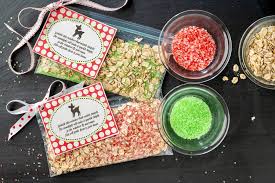
- Individual Pouches: Fill small paper bags or parchment paper cones with the reindeer food. Kids can decorate these bags with stamps, drawings, or stickers. They can then hand these out to friends or place them around the yard.
- Sparkly Jars: Use clean glass jars (ensure they are safe for outdoor use and won’t break easily). Fill them with the reindeer food, perhaps layering it with a bit of extra edible glitter on top. These can be placed on windowsills or porches.
- Edible Ornaments: For a more elaborate approach, mix the reindeer food with a binder like a little bit of applesauce or peanut butter (ensure no allergies) and press it into cookie cutters. Let them dry slightly before hanging them on a tree branch. This creates a festive and functional decoration.
These presentation ideas transform the simple reindeer food into a charming holiday decoration and a thoughtful offering. They encourage creativity and allow children to personalize their contributions to the Christmas magic.
Spreading The Magic Responsibly
Once your reindeer food is prepared, the next step is to scatter it. This part of the tradition is also an opportunity to teach children about being considerate of their surroundings. Responsible scattering ensures the magic benefits, rather than harms, the local environment.
When and Where to Scatter
The best time to scatter reindeer food is on Christmas Eve, after dark. This creates the most magical effect as the sparkles will catch the light. Choose areas that are visible from the sky, such as the front lawn, the driveway, or near the chimney.
Avoid scattering food near busy roads or in areas where it might create a mess or become a hazard. Also, be mindful of areas where it might attract unwanted pests like rodents in large numbers. A light, even scattering is more effective than a concentrated pile.
- Scatter on Christmas Eve after sunset for the best visual effect.
- Focus on open areas visible from the air, like lawns or clear pathways.
- Avoid scattering near drains, waterways, or areas where it could cause pollution.
A good practice is to let children sprinkle the food from a safe distance, or to have an adult help distribute it evenly. This ensures the food is spread thinly and widely, creating a shimmering trail rather than a dense patch.
Respecting Local Ecosystems
While the intention is magical, it’s important to remember that the food will be consumed by local wildlife. Ensure that what you scatter is truly beneficial or at least harmless. A light scattering means less impact on any one area and less chance of overwhelming natural food sources for local animals.
For example, if you live near a nature reserve or a sensitive habitat, a very light touch is best. Focus on areas immediately around your home. This minimizes the footprint of your holiday tradition.
Many sources recommend scattering only a small handful per family.
Data from ornithological societies suggests that while supplementary feeding can help birds in harsh conditions, it should be done judiciously. Using appropriate food like seeds and grains supports native bird populations without introducing artificial elements. This principle applies to reindeer food as well, ensuring it supports, rather than disrupts, the local environment.
Common Myths Debunked
Myth 1: Reindeer food must contain glitter for Santa’s reindeer to see it.
Reality: While sparkle is part of the fun, real reindeer rely on their incredible sense of smell and their ability to navigate by stars and magnetic fields. The glitter is primarily for children’s imagination and the festive visual effect. Edible glitter is a safe alternative if you want that shimmer.
Myth 2: Any type of birdseed is suitable for reindeer food.
Reality: It’s best to use plain, natural birdseed mixes that are free from artificial dyes or fillers. Some cheap mixes can contain ingredients that are not ideal for all animals. Always check the ingredients list to ensure it’s wholesome and safe for general wildlife consumption.
Myth 3: Reindeer food can be scattered anywhere.
Reality: Responsible scattering is key. Avoid areas near water sources, drains, or busy roads. A light, even distribution on your lawn or driveway is sufficient and environmentally sound.
Over-scattering can attract unwanted pests or create localized pollution.
Myth 4: You need to make a large batch of reindeer food for it to work.
Reality: A little goes a long way. A small amount of well-prepared reindeer food is more effective and responsible than a large pile. The goal is to create a visible trail, not to leave a massive feast that could unbalance local food chains or attract too many animals.
Frequently Asked Questions
Question: What is the primary purpose of reindeer food
Answer: The primary purpose of reindeer food is to add a magical, interactive element to Christmas Eve for children, helping them feel involved in the Santa Claus story and creating a festive atmosphere.
Question: Can my dog or cat eat the reindeer food
Answer: While the ingredients are generally safe for wildlife, it’s best to discourage pets from eating large quantities. Some ingredients like birdseed or dried fruit might not agree with them, and the edible glitter is primarily for visual effect.
Question: How much reindeer food should I make
Answer: A small batch is usually sufficient. About 1-2 cups of the mixture is typically enough to scatter around your yard and create a magical trail without being excessive.
Question: Is it okay to use regular craft glitter
Answer: No, it is not recommended to use regular craft glitter. It is not biodegradable and can be harmful if ingested by wildlife. Always opt for food-grade edible glitter.
Question: When is the best time to scatter reindeer food
Answer: The best time to scatter reindeer food is on Christmas Eve, after dark. This allows the sparkly elements to catch the light and create a magical, visible path for Santa’s reindeer.
Conclusion
Creating this reindeer food recipe for kids is a simple joy that brings a touch of wonder to the holidays. You’ve learned how to pick safe, natural ingredients and prepare them in a fun, engaging way. Remember to scatter it responsibly, respecting local wildlife and the environment.
Enjoy the magic!

Related Posts
Filipino Food for the Gods Recipe Easy Guide
Exploring Local D Food Collabs In Dalton GA