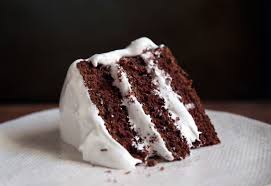
The Ultimate Devil’s Food Cake Recipe
Craving a rich, decadent chocolate cake that’s surprisingly easy to make? Imagine pulling a moist, dark chocolate creation from your oven, filling your kitchen with an irresistible aroma. This devil’s food cake recipe is your ticket to pure chocolate bliss.
Forget complicated steps; this guide breaks down everything you need for baking success. You’ll gain a foolproof method, tips for perfect texture, and insights into achieving that signature deep chocolate flavor, ensuring your next cake is a showstopper.
Key Takeaways
- Learn the essential ingredients for a moist and rich devil’s food cake.
- Discover simple techniques for achieving a perfectly tender crumb.
- Understand how to get that signature deep chocolate flavor.
- Get tips for frosting and decorating your delicious creation.
- Troubleshoot common baking issues for guaranteed success.
The Perfect Devil’s Food Cake Recipe
Baking a truly magnificent devil’s food cake is a delight. This recipe focuses on creating a cake that is both intensely chocolatey and incredibly moist. We will explore the ingredients that contribute to its signature dark color and deep flavor, along with the methods that ensure a tender crumb.
This section is your foundation for a perfect bake, covering everything from the dry ingredients to the wet ingredients and how they come together harmoniously. Understanding these components is key to mastering this classic dessert.
Essential Ingredients for Richness
The magic of devil’s food cake lies in its ingredients. Cocoa powder is paramount, and using a high-quality Dutch-processed cocoa will give your cake its characteristic dark hue and mellow, rich chocolate taste. Unlike natural cocoa, Dutch-processed cocoa has been treated to neutralize its acidity, resulting in a smoother, less bitter flavor.
This is crucial for the balanced sweetness of a devil’s food cake.
Another key player is the fat. Using both butter and oil contributes to a wonderful balance of flavor and moisture. Butter brings a delicious, creamy taste, while oil ensures the cake remains incredibly moist even after cooling.
Many devil’s food cake recipes also call for buttermilk or sour cream. These acidic ingredients react with baking soda, providing lift and tenderness while also adding a subtle tang that complements the chocolate.
- Cocoa Powder: Opt for Dutch-processed cocoa for its deep color and smooth flavor. This is non-negotiable for authentic devil’s food cake. The alkalization process in Dutch-processing removes bitterness and creates a darker, richer chocolate profile.
- Flour: All-purpose flour is the standard. Sifting it before measuring helps to aerate it, leading to a lighter cake. Over-measuring flour can result in a dry, dense cake, so spooning it into the measuring cup and leveling off is a good practice.
- Sugar: Granulated sugar provides sweetness. Brown sugar can also be added for extra moisture and a slightly deeper flavor, but it is not strictly necessary for a basic devil’s food cake.
- Leavening Agents: A combination of baking soda and baking powder is often used. Baking soda reacts with acidic ingredients like buttermilk or cocoa to create lift. Baking powder provides an extra boost, ensuring a well-risen cake.
- Eggs: Eggs bind the ingredients, add richness, and contribute to the structure of the cake. Room temperature eggs incorporate more easily into the batter.
- Fat (Butter and Oil): Unsalted butter provides flavor, while vegetable oil adds moisture and tenderness. The combination offers the best of both worlds.
- Liquid (Buttermilk, Coffee, or Hot Water): Buttermilk is traditional for its acidity and tenderizing effect. Hot coffee or hot water blooms the cocoa powder, intensifying its chocolate flavor and creating a smoother batter.
Achieving the Signature Moist Crumb
Moisture is paramount in a devil’s food cake. The inclusion of oil is a significant factor, as it remains liquid at room temperature, ensuring the cake stays tender and moist for days. Buttermilk also plays a crucial role.
Its acidity tenderizes the gluten in the flour, preventing the cake from becoming tough. This interaction creates a delicate, melt-in-your-mouth texture that is highly desirable.
The method of mixing also impacts moisture. Overmixing can develop the gluten too much, leading to a tougher cake. Gentle mixing, especially after adding the dry ingredients, is key.
Often, a devil’s food cake recipe calls for adding hot liquid, such as hot coffee or hot water, to the batter. This step is called “blooming” the cocoa. It releases more flavor compounds from the cocoa powder, resulting in a more intense chocolate taste and a wonderfully moist cake.
The hot liquid also helps to create a silky smooth batter.
The Blooming Technique Explained
Blooming the cocoa powder involves mixing it with hot liquid. This process is similar to how coffee grounds release their flavor when steeped in hot water. The heat causes the cocoa powder to swell, dissolving more of its fat and solids.
This makes the chocolate flavor more potent and distributes it evenly throughout the batter. It also contributes to a smoother texture because the cocoa particles are fully hydrated, reducing any grittiness.
For a devil’s food cake recipe, this step often happens at the end of mixing, where hot coffee or water is gradually added to the batter. The batter will become quite thin at this stage, which is perfectly normal. This thinness contributes to the cake’s moistness and tender crumb, as it indicates a good ratio of liquid to dry ingredients.
The flavor of coffee, even in small amounts, enhances chocolate without making the cake taste like coffee itself.
Deep Chocolate Flavor Secrets
The depth of flavor in devil’s food cake comes from several factors working together. First, the use of Dutch-processed cocoa is non-negotiable for that dark, rich profile. Natural cocoa powder is acidic and has a sharper, more fruity chocolate flavor, which isn’t the hallmark of devil’s food.
The blooming technique, as mentioned, significantly amplifies this flavor by releasing more aromatic compounds.
Another secret is the balance of sweetness. While it’s a “devil’s food” cake, it shouldn’t be overly sweet. The rich chocolate flavor should be the star.
Using a combination of sugars, like granulated and a touch of brown sugar, can add complexity. The slight acidity from buttermilk or sour cream also plays a role, cutting through the richness and making the chocolate flavor pop. Some recipes even call for a touch of espresso powder, which, like coffee, intensifies the chocolate without adding a coffee flavor.
Espresso Powder’s Role
Espresso powder is a baker’s secret weapon for chocolate desserts. It doesn’t make your cake taste like coffee. Instead, it acts as a flavor enhancer, much like salt does for sweet dishes.
The intense, slightly bitter notes in espresso powder help to deepen and round out the chocolate flavor of the cake, making it taste more complex and intensely chocolatey. A small amount, typically one to two teaspoons, can make a significant difference in the final taste.
When you add espresso powder to a devil’s food cake recipe, it works synergistically with the cocoa powder and any added coffee. The combination creates a multi-layered chocolate experience that is far more satisfying than a cake relying solely on cocoa. It’s a simple addition that elevates the entire dessert.
Putting It All Together The Mixing Process
The process of combining ingredients is as important as the ingredients themselves. For most devil’s food cake recipes, you’ll start by creaming softened butter and sugar together until light and fluffy. This process incorporates air, which helps with the cake’s structure and texture.
Next, eggs are added one at a time, ensuring each is fully incorporated before adding the next. Vanilla extract is also typically added at this stage for its aromatic qualities.
In a separate bowl, whisk together your dry ingredients: flour, cocoa powder, baking soda, baking powder, and salt. Then, you’ll alternate adding the dry ingredients and the liquid (like buttermilk) to the creamed butter and sugar mixture. Begin and end with the dry ingredients.
This alternating method helps to create a smooth, well-emulsified batter without overmixing.
Finally, the hot liquid (water or coffee) is carefully stirred in. This will thin the batter considerably, making it look more like a thick chocolate soup. Don’t be alarmed; this is exactly what you want for a moist cake.
Gently fold or whisk until just combined. Overmixing at this stage can make the cake tough, so be gentle.
Sample Mixing Scenario
- Cream 1 cup (2 sticks) unsalted butter, softened, with 2 cups granulated sugar and 1/2 cup packed light brown sugar until light and fluffy. This takes about 3-5 minutes with an electric mixer.
- Beat in 2 large eggs, one at a time, then stir in 2 teaspoons vanilla extract.
- In a medium bowl, whisk together 2 cups all-purpose flour, 3/4 cup Dutch-processed cocoa powder, 2 teaspoons baking soda, 1 teaspoon baking powder, and 1 teaspoon salt.
- In a small bowl, whisk together 1 cup buttermilk.
- Add about one-third of the dry ingredients to the butter mixture and mix on low speed until just combined.
- Add half of the buttermilk and mix until just combined.
- Repeat with another third of the dry ingredients, then the remaining buttermilk, and finally the last third of the dry ingredients. Scrape down the sides of the bowl as needed.
- In a separate heatproof bowl or measuring cup, heat 1 cup strong brewed coffee or hot water until very hot. Carefully whisk in 1 tablespoon of instant espresso powder until dissolved.
- With the mixer on low speed, or by hand, gradually add the hot coffee mixture to the batter until smooth and well combined. The batter will be thin.
Baking Your Devil’s Food Cake
Once your batter is ready, it’s time to bake. Preheat your oven to the temperature specified in your recipe, typically around 350°F (175°C). Prepare your cake pans by greasing and flouring them, or by lining them with parchment paper.
This step is crucial to prevent the cake from sticking, ensuring it comes out cleanly after baking. For a standard two-layer cake, you’ll likely use two 8-inch or 9-inch round cake pans.
Divide the batter evenly between the prepared pans. Use a spatula to spread it out so the layers will bake evenly. Avoid overfilling the pans; they should be about two-thirds full.
Bake for the time indicated in your recipe, usually around 30-35 minutes. The best way to check for doneness is to insert a wooden skewer or toothpick into the center of the cake. If it comes out clean or with a few moist crumbs attached, the cake is ready.
Baking Temperature and Time Considerations
Oven temperatures can vary, so it’s always a good idea to use an oven thermometer to ensure your oven is calibrated correctly. A temperature that is too high can cause the outside of the cake to bake too quickly while the inside remains undercooked, leading to a dry crust and a gummy center. Conversely, an oven that’s too cool will result in a pale, flat cake that may take much longer to bake.
The baking time is a guideline. Factors like the size and material of your cake pans, the altitude where you live, and even the specific ingredients used can affect baking time. For instance, dark metal pans absorb more heat and can bake a cake faster than lighter colored aluminum pans.
Always start checking for doneness a few minutes before the recipe’s suggested time.
Cooling the Cake
After baking, let the cakes cool in their pans on a wire rack for about 10-15 minutes. This allows the cakes to firm up slightly, making them easier to remove without breaking. Then, carefully invert the pans onto the wire rack to release the cakes.
Allow them to cool completely on the wire rack before frosting. Frosting a warm cake will cause the frosting to melt and slide off.
Frosting and Finishing Touches
No devil’s food cake is complete without a luscious frosting. A classic choice is a rich chocolate buttercream or a cream cheese frosting. For a truly decadent experience, consider a chocolate ganache.
The key is to complement the deep chocolate flavor of the cake without overpowering it. Ensure your frosting is at the right consistency – not too stiff and not too runny – for easy spreading.
Before frosting, make sure your cake layers are completely cool. If your cake layers have domed tops, you can level them with a serrated knife to create flat surfaces for stacking. This makes for a neater, more professional-looking cake.
Apply a thin “crumb coat” of frosting first. This is a light layer that traps any loose crumbs. Chill the cake for about 15-30 minutes after the crumb coat to set it before applying the final layer of frosting.
Cream Cheese Frosting Recipe (Simple Version)
For a tangy contrast to the rich chocolate, cream cheese frosting is a wonderful option.
- Ingredients: 8 ounces cream cheese, softened; 1/2 cup (1 stick) unsalted butter, softened; 4 cups powdered sugar, sifted; 1 teaspoon vanilla extract.
- Instructions: Beat cream cheese and butter together until smooth. Gradually add sifted powdered sugar, beating until combined and smooth. Stir in vanilla extract. If the frosting is too thick, add a teaspoon of milk or cream at a time until desired consistency is reached.
Decorating can be as simple or as elaborate as you like. A few chocolate shavings, some fresh berries, or a dusting of cocoa powder can add a beautiful finishing touch. The goal is to highlight the delicious cake beneath.
Common Myths Debunked
Myth 1: Devil’s Food Cake Is Always Very Sweet
While devil’s food cake is a dessert and has sweetness, its defining characteristic is its deep, rich chocolate flavor, not its overwhelming sweetness. The balance of ingredients, especially the use of cocoa and potentially coffee or espresso, helps to create a complex flavor profile where the chocolate is the star. Overly sweet cakes often mask the true depth of the chocolate.
Myth 2: You Need Special Equipment for Devil’s Food Cake
This is untrue. A good devil’s food cake recipe requires basic baking equipment: mixing bowls, measuring cups and spoons, a whisk, a spatula, cake pans, and an oven. An electric mixer can make the creaming process easier and faster, but it is not essential.
Hand mixing is perfectly capable of producing a delicious cake.
Myth 3: Devil’s Food Cake Is Difficult to Make
Many devil’s food cake recipes are designed to be straightforward and forgiving. The key is following the recipe instructions carefully, especially regarding ingredient temperatures and mixing techniques. The use of oil and buttermilk often leads to a more forgiving batter, making it less prone to drying out or becoming tough compared to some other cake types.
Myth 4: Natural Cocoa Powder Works Just As Well As Dutch-Processed
While natural cocoa powder can be used, it will significantly alter the flavor and appearance of your devil’s food cake. Natural cocoa is acidic and results in a lighter color and a more intense, slightly bitter, and fruity chocolate taste. Dutch-processed cocoa, which has been alkalized, provides the characteristic dark color and smoother, milder chocolate flavor that defines devil’s food cake.
For the authentic experience, Dutch-processed is recommended.
Frequently Asked Questions
Question: What is the difference between devil’s food cake and chocolate cake?
Answer: Devil’s food cake is a type of chocolate cake that is darker, richer, and has a more intense chocolate flavor due to the use of Dutch-processed cocoa powder and often hot liquid like coffee or water. It typically has a moister, more tender crumb than a standard chocolate cake.
Question: Can I use milk instead of buttermilk in a devil’s food cake recipe?
Answer: You can substitute milk for buttermilk by adding 1 tablespoon of lemon juice or white vinegar to 1 cup of milk and letting it sit for 5-10 minutes. This recreates the acidity that tenderizes the cake and reacts with baking soda.
Question: Why is my devil’s food cake dry?
Answer: Dryness can result from overbaking, using too much flour, not enough liquid, or using the wrong type of cocoa. Ensure you are measuring your flour correctly and not overmixing the batter.
Question: How long does devil’s food cake last?
Answer: Properly stored at room temperature in an airtight container, a devil’s food cake typically stays fresh for 2-3 days. If frosted with cream cheese frosting, it should be refrigerated and will last about 4-5 days.
Question: Can I make devil’s food cake without cocoa powder?
Answer: No, cocoa powder is the primary source of chocolate flavor in a devil’s food cake. You could make a different type of chocolate cake using melted chocolate, but it would not be a devil’s food cake.
Conclusion
This guide has demystified the creation of a truly exceptional devil’s food cake recipe. You’ve learned the vital role of Dutch-processed cocoa, the power of blooming, and how simple ingredients like buttermilk and oil create that signature moist crumb. You now have the knowledge to achieve that deep chocolate flavor and tender texture that makes this cake a beloved classic.
Bake with confidence and enjoy every rich, chocolaty bite.

Related Posts
Filipino Food for the Gods Recipe Easy Guide

Exploring Local D Food Collabs In Dalton GA