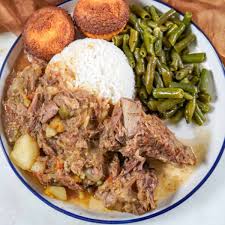
Delicious Neckbones Recipe Soul Food Guide
Remember Sunday dinners at Grandma’s house? The air was thick with savory aromas, and a big pot of something wonderful simmered on the stove. For many, that scent meant tender, fall-off-the-bone neckbones, a true soul food classic.
If you’ve ever craved that authentic taste or wanted to recreate it in your own kitchen, you’re in the right place. This guide will walk you through everything you need to know to make a fantastic neckbones recipe soul food that will transport you back to those cherished memories. Get ready to impress your family and friends with a dish full of flavor and tradition.
Key Takeaways
- Learn the essential ingredients for authentic soul food neckbones.
- Discover the best cooking methods to achieve tender and flavorful results.
- Understand common variations and how to customize the recipe.
- Get tips for serving and enjoying your delicious neckbones.
- Troubleshoot common issues for perfect neckbones every time.
The Heart of Soul Food Neckbones Recipe
This section explores the foundational elements that make soul food neckbones so special. We will delve into the core ingredients, their roles in flavor development, and the traditional techniques used to bring them together. Understanding these basics is key to achieving that authentic, comforting taste that defines this beloved dish.
Essential Ingredients for Flavor
The foundation of any great neckbones recipe soul food lies in its carefully selected ingredients. These aren’t just random items; each plays a vital role in building the complex, savory profile. At the heart are the beef neckbones themselves, providing a rich, gelatinous base.
Their marrow and connective tissues break down during slow cooking, creating a deeply satisfying texture and mouthfeel.
Aromatic vegetables form the next critical layer. Onions, bell peppers, and garlic are the classic trio. They sauté to release their sweet and pungent notes, forming a fragrant mirepoix that infuses the entire dish.
These form the savory backbone, adding depth and complexity.
Seasonings are where personal flair and regional traditions shine. Salt and black pepper are non-negotiable for bringing out the natural flavors. Smoked paprika adds a hint of smokiness and vibrant color, while a pinch of cayenne pepper offers a gentle warmth that complements the richness.
Other popular additions include thyme, bay leaves, and a touch of Worcestershire sauce for umami.
- Beef Neckbones: The star of the show, providing rich flavor and tender texture. Look for well-marbled pieces.
- Aromatic Vegetables: Onions, bell peppers, and garlic create a savory flavor base.
- Liquid Base: Beef broth or water is essential for braising.
- Seasonings: Salt, pepper, smoked paprika, thyme, and bay leaves are key.
The quality of your beef neckbones significantly impacts the final dish. Opt for cuts with good marbling, as this fat will render and add moisture and flavor. If you can find meaty neckbones, they will yield more tender meat.
The choice of liquid also matters. Beef broth adds an extra layer of beefy flavor, enhancing the overall richness. However, water is perfectly acceptable and allows the natural flavors of the neckbones and aromatics to shine through.
The magic of soul food cooking often comes from patience and slow, low heat. This allows the tough connective tissues in the neckbones to break down, rendering them incredibly tender and succulent.
Choosing and Preparing Neckbones
Selecting the right neckbones is the first step to a successful dish. You’ll want to find meaty cuts with plenty of collagen. This is what breaks down during the cooking process to create that signature tender texture and rich gravy.
Look for bone-in pieces, as the marrow within the bones adds incredible depth of flavor.
When you get your neckbones home, it’s a good idea to rinse them under cold water. This removes any bone fragments or excess blood. Pat them thoroughly dry with paper towels.
This drying step is crucial for achieving a good sear, which locks in juices and develops a deeper flavor.
Some recipes call for a quick blanching of the neckbones. This involves briefly boiling them in water for a few minutes and then draining them. This can help remove any impurities and pre-tenderize the meat slightly.
However, many home cooks skip this step and go straight to searing, especially if they plan on a long braise.
For a rich flavor foundation, consider browning the neckbones before braising. This process, known as the Maillard reaction, creates complex flavors and a beautiful color. Use a hot skillet with a bit of oil and sear the neckbones in batches until they are nicely browned on all sides.
Don’t overcrowd the pan, as this will steam the meat instead of searing it.
- Source: Look for meaty beef neckbones from your local butcher.
- Preparation: Rinse and pat dry thoroughly.
- Optional: Blanch for impurity removal or sear for enhanced flavor.
- Browning: Sear in batches until deeply browned on all sides.
The amount of meat on the bones can vary. If you can find larger, more substantial neckbones, they will provide a more satisfying meal. Smaller ones are still delicious but might require more bones to serve the same number of people.
Proper preparation ensures that your neckbones are clean and ready to absorb all the delicious flavors you’ll add. A good sear is like a flavor hug for the meat, setting it up for success in the long braise ahead.
The Importance of Slow Cooking
Slow cooking is the secret weapon for achieving tender, fall-off-the-bone neckbones. This method allows the tough connective tissues in the meat to break down gradually. As the collagen melts, it transforms into gelatin, which not only makes the meat incredibly tender but also creates a rich, luscious sauce.
The low and slow approach also allows the flavors from the aromatics, seasonings, and liquid to deeply penetrate the meat. This results in a more complex and satisfying taste profile that you just can’t achieve with quicker cooking methods. Patience is truly rewarded here.
Whether you use a Dutch oven on the stovetop, a slow cooker, or an oven braise, the principle remains the same: low heat for an extended period. This ensures that the meat becomes fork-tender without drying out. It’s a forgiving cooking method that is perfect for busy cooks.
The liquid used for braising is crucial. Beef broth, water, or even a combination of both works well. The liquid should come up about halfway to two-thirds of the way up the sides of the neckbones.
This creates a moist environment for the meat to cook in.
- Method: Low and slow heat breaks down tough tissues.
- Result: Incredibly tender meat and a rich, gelatinous sauce.
- Time: Typically requires 2-4 hours of simmering.
- Moisture: Braising liquid is essential for keeping meat moist.
Imagine the anticipation as your kitchen fills with an irresistible aroma, a promise of the delicious meal to come. That’s the power of slow cooking these wonderful cuts of meat.
Mastering the Neckbones Recipe Soul Food Technique
This section will guide you through the actual cooking process, breaking down each step for clarity. We’ll cover searing, braising, and achieving that perfect tenderness. Following these steps will ensure your neckbones are a culinary triumph.
Searing for Depth of Flavor
Searing the neckbones before braising is a critical step that adds a significant layer of flavor. This process, known as the Maillard reaction, occurs when meat is exposed to high heat, causing the sugars and amino acids to caramelize. This creates a complex, savory, and slightly sweet taste that forms the foundation of your dish.
To sear properly, use a heavy-bottomed pot or Dutch oven over medium-high heat. Add a tablespoon or two of high-heat oil, like vegetable or canola oil. Once the oil is shimmering but not smoking, carefully add the neckbones in a single layer.
Avoid overcrowding the pot, as this will cause the meat to steam rather than sear, resulting in a less desirable flavor and texture.
Allow each side of the neckbones to brown for about 3-5 minutes, until a deep, golden-brown crust forms. You might hear a sizzle and see some fond (browned bits) develop at the bottom of the pot. This fond is packed with flavor and will be scraped up later to enrich your sauce.
After searing, remove the neckbones from the pot and set them aside on a plate. This step ensures that all the surfaces of the meat have a chance to develop that rich color and flavor. The effort spent here pays off immensely in the final taste of your neckbones recipe soul food.
- Heat: Medium-high heat is essential for a good sear.
- Oil: Use a neutral oil with a high smoke point.
- Batch Cooking: Sear in small batches to avoid steaming.
- Color: Aim for a deep, golden-brown crust on all sides.
- Fond: Do not discard the browned bits; they add flavor.
The aroma that fills your kitchen as the neckbones sear is the first hint of the delicious meal to come. It’s a sensory experience that primes you for the rich flavors you’re about to build.
Braising for Ultimate Tenderness
Braising is the cooking technique that transforms tough neckbones into melt-in-your-mouth tender morsels. It involves searing the meat first, then simmering it slowly in a flavorful liquid in a covered pot. This gentle cooking process allows the collagen in the connective tissues to break down into gelatin, resulting in a succulent and tender outcome.
After searing the neckbones, you’ll typically sauté your aromatics—onions, bell peppers, and garlic—in the same pot, scraping up all those delicious browned bits. Once the vegetables are softened, you’ll add your liquid. This could be beef broth, water, or even a combination.
Some recipes also include a splash of tomato paste or a bit of red wine for added depth.
Return the seared neckbones to the pot, ensuring they are mostly submerged in the liquid. Add your herbs and seasonings. A bay leaf, a sprig of thyme, and a pinch of salt and pepper are common.
Cover the pot tightly.
The magic happens when you place the covered pot in a preheated oven (typically around 300-325°F or 150-160°C) or simmer it gently on the stovetop over low heat. This low and slow cooking process can take anywhere from 2 to 4 hours, depending on the size and cut of the neckbones. The goal is for the meat to be so tender that it easily pulls away from the bone.
- Liquid Level: Ensure neckbones are mostly submerged.
- Cover Tightly: This traps steam and moisture for tenderization.
- Oven Temperature: A moderate oven (300-325°F / 150-160°C) is ideal.
- Stovetop Simmer: Maintain a gentle simmer, not a rolling boil.
- Check for Tenderness: Meat should easily separate from the bone.
The braising liquid will reduce and thicken naturally as the meat cooks, forming a rich, savory gravy. This gravy is a testament to the slow cooking process and is an integral part of the neckbones recipe soul food experience.
Achieving the Perfect Gravy
The gravy is the crowning glory of a well-made neckbones recipe soul food. It’s the rich, savory sauce that coats the tender meat and is perfect for spooning over sides like mashed potatoes or rice. Creating a luscious gravy involves a few key steps to ensure it has the right consistency and depth of flavor.
After the neckbones have finished braising and are fork-tender, carefully remove them from the pot and set them aside. The braising liquid left behind is a treasure trove of flavor, infused with the essence of the neckbones and aromatics.
To thicken the liquid, you can use a roux, a slurry of cornstarch or flour, or simply reduce it further by simmering uncovered. A roux, made by cooking equal parts fat (butter or the rendered fat from the neckbones) and flour together, adds a nutty depth of flavor. Cook the roux until it reaches your desired color, from pale blonde to a darker brown, depending on the flavor you’re seeking.
Whisk the roux into the simmering braising liquid until it’s smooth and thickened. If using a cornstarch slurry (cornstarch mixed with a little cold water), whisk it in gradually until the gravy reaches your desired consistency. You can also simply let the liquid simmer uncovered for 15-20 minutes, allowing excess water to evaporate and the natural gelatin to thicken it.
- Base: Use the flavorful braising liquid as your gravy base.
- Thickening Agents: Roux, cornstarch slurry, or reduction are common.
- Roux: Equal parts fat and flour cooked to desired color.
- Slurry: Cornstarch or flour mixed with cold water.
- Consistency: Aim for a gravy that coats the back of a spoon.
Taste and adjust the seasoning with salt and pepper. Some people like to add a dash of hot sauce or a pinch of sugar to balance the flavors. The goal is a rich, well-seasoned gravy that complements the tender neckbones perfectly.
Variations and Customizations
While there’s a classic way to prepare neckbones, this dish is wonderfully adaptable. This section will explore different flavor profiles and preparation tweaks you can make to personalize your neckbones recipe soul food.
Adding a Spicy Kick
For those who love a bit of heat, adding a spicy element to your neckbones recipe soul food can elevate the flavor profile. This can be achieved in several ways, either by incorporating chili peppers directly into the braise or by serving with a spicy accompaniment.
One simple method is to add a pinch or two of cayenne pepper to the dry seasonings before searing. This provides a subtle background warmth that complements the richness of the meat. For a more pronounced heat, you can add a diced jalapeño or serrano pepper along with your other aromatics.
The seeds and membranes of these peppers contain capsaicin, the compound responsible for spiciness.
Another popular addition is a dash of your favorite hot sauce added during the braising process. This infuses the entire dish with a consistent level of heat. Alternatively, you can serve your neckbones with a side of spicy collard greens or a dollop of spicy mustard to add a kick at the table.
If you enjoy very intense heat, consider using habanero peppers or even ghost peppers, but use these with extreme caution and perhaps in a smaller quantity, as they can easily overpower the dish. Remember that the heat from peppers can intensify during cooking, so start with less and add more if needed.
- Cayenne Pepper: Adds a mild, consistent warmth.
- Fresh Chili Peppers: Jalapeños, serranos, or hotter varieties can be diced and added with aromatics.
- Hot Sauce: A few dashes during braising infuse the liquid with heat.
- Spicy Sides: Serve with spicy greens or hot sauce for individual heat customization.
- Caution: Handle very hot peppers with care and add sparingly.
The interplay of savory, rich meat with a touch of heat is a hallmark of many delicious soul food dishes. It adds an exciting dimension to the comforting flavors.
Incorporating Other Meats or Aromatics
While neckbones are the star, you can enhance their flavor by incorporating other elements. Smoked meats, like a piece of smoked ham hock or a smoked turkey wing, can add a wonderful smoky depth to the braising liquid. This is a common practice in many Southern kitchens.
When adding smoked meats, toss them into the pot along with the neckbones during the braising stage. They will release their smoky essence and contribute additional richness to the sauce. Just be mindful of the salt content, as smoked meats are often cured.
Beyond traditional aromatics, feel free to experiment. Some cooks add a bay leaf for an earthy aroma, a pinch of dried thyme, or even a few sprigs of fresh rosemary if you enjoy that particular herbaceous note. A tablespoon of tomato paste can also add a subtle sweetness and depth of color to the gravy.
For a touch of sweetness, a small amount of brown sugar or a drizzle of molasses can be added during the braising process. This balances the savory flavors and adds a hint of classic Southern sweetness. However, use these sparingly to avoid making the dish too sweet.
- Smoked Meats: Ham hocks or smoked turkey wings add smoky depth.
- Herbs: Bay leaves and thyme are classic additions.
- Tomato Paste: Adds color and a subtle sweetness.
- Sweeteners: Brown sugar or molasses can balance savory notes.
- Personal Touch: Feel free to experiment with your favorite flavor enhancers.
These additions can transform a good neckbones recipe into an extraordinary one, reflecting your personal taste and culinary creativity.
Vegetarian and Vegan Adaptations
While the traditional neckbones recipe soul food is meat-centric, creative adaptations can cater to vegetarian and vegan diets. The goal is to mimic the rich, savory, and tender qualities of the original dish using plant-based ingredients.
For a vegetarian version, you can create a rich mushroom-based broth. Sautéing a variety of mushrooms like shiitake, cremini, and portobello can yield deep umami flavors. You can also use a hearty vegetable broth and add a tablespoon of soy sauce or tamari for an extra boost of savory depth.
For vegan neckbones, consider using large chunks of king oyster mushrooms, which have a meaty texture and can be scored to mimic the appearance of bones. Alternatively, hearty root vegetables like celeriac or large chunks of jackfruit can be slow-cooked to achieve a tender, shreddable texture.
The braising liquid can be a rich vegetable broth, seasoned generously with smoked paprika, garlic, onions, and plenty of herbs. Nutritional yeast can be added to impart a cheesy, umami flavor, and a touch of liquid smoke can replicate the smoky notes often found in traditional soul food.
- Mushroom Base: For vegetarians, sautéed mushrooms create rich umami.
- King Oyster Mushrooms: A vegan option with a meaty texture.
- Hearty Root Vegetables: Celeriac or parsnips can be used for slow cooking.
- Flavor Boosters: Nutritional yeast and liquid smoke can enhance savory notes.
- Vegetable Broth: A robust vegetable broth forms the base for the braising liquid.
These adaptations allow everyone to enjoy the comforting essence of soul food, proving that deliciousness knows no dietary bounds.
Serving and Enjoying Your Neckbones
Once your neckbones are perfectly cooked and the gravy is rich and delicious, it’s time to serve and savor them. This section offers classic serving suggestions and tips for the ultimate soul food experience.
Classic Soul Food Pairings
A well-prepared neckbones recipe soul food is often the centerpiece of a hearty meal, and it pairs beautifully with traditional soul food sides. These accompaniments are designed to soak up the delicious gravy and complement the richness of the meat.
Mashed potatoes are a quintessential pairing. Their creamy, fluffy texture provides a perfect bed for the tender neckbones and a generous ladle of gravy. The potatoes absorb the savory juices, making every bite incredibly satisfying.
Another classic choice is rice, especially white rice. The individual grains are excellent for scooping up the flavorful gravy. Some prefer seasoned rice, like dirty rice or rice pilaf, for an extra layer of flavor.
Collard greens, mustard greens, or turnip greens are essential for a complete soul food experience. Slow-simmered with a hint of smoked meat or vinegar, they offer a slightly bitter counterpoint to the richness of the neckbones.
Cornbread, whether baked in a skillet or as muffins, is perfect for sopping up any leftover gravy. Its slightly sweet and crumbly texture contrasts wonderfully with the savory dish.
- Mashed Potatoes: A creamy and classic choice for soaking up gravy.
- White Rice: Simple yet effective for capturing all the flavorful juices.
- Collard Greens: Offer a balancing bitterness and earthy flavor.
- Cornbread: Ideal for sopping up every last drop of gravy.
- Macaroni and Cheese: A rich and cheesy accompaniment.
Don’t forget the beverages! Sweet tea is a classic Southern drink that perfectly complements the richness of soul food. A cold glass of milk can also help temper any lingering spice.
Presentation and Garnishes
While the rustic nature of neckbones is part of their charm, a few simple touches can elevate their presentation. After cooking, you can carefully place a few tender neckbones on a serving platter.
Spoon a generous amount of the rich, dark gravy over the meat. Ensure some of the tender meat and small bits of connective tissue are visible. If you have any of the sautéed aromatics left, you can sprinkle them over the top as a garnish.
A sprinkle of fresh chopped parsley can add a touch of color and brightness. For an extra visual appeal, you can add a few more herbs like thyme sprigs or a bay leaf. However, the true beauty of this dish lies in its hearty, comforting appearance.
The goal is to present a dish that looks as delicious as it smells and tastes. The rich color of the gravy and the tender meat should be inviting and enticing.
- Gravy: Generously spoon over the neckbones.
- Aromatics: Sprinkle any reserved sautéed vegetables on top.
- Fresh Herbs: Chopped parsley adds color and freshness.
- Simplicity: Let the natural look of the dish shine.
- Serving Dish: Use a warm platter to keep the dish inviting.
Ultimately, the best garnish is an appreciative diner. The visual appeal of a well-cooked neckbones recipe soul food is often simple, honest, and deeply satisfying.
Common Myths Debunked
Myth 1: Neckbones Are Too Tough to Eat
This is perhaps the most common misconception. While neckbones are a tough cut of meat in their raw state due to abundant connective tissue, this is precisely what makes them ideal for slow cooking. The magic of braising and simmering allows these tough tissues to break down into tender, gelatinous goodness.
Properly cooked, neckbones are incredibly succulent and fall-off-the-bone tender. The low-and-slow cooking method is the key that unlocks their delicious potential.
Myth 2: Neckbones Are Just Bone and Gristle
While neckbones do contain bone, they are also remarkably meaty. The meat adheres closely to the bone, and the connective tissues between the muscle fibers and surrounding the bone are rich in collagen. It’s this collagen that renders down during cooking to create the signature tender texture and rich gravy that soul food lovers adore.
A good neckbones recipe soul food focuses on extracting flavor and tenderness from both the meat and the bone marrow.
Myth 3: You Need Special Equipment to Cook Neckbones
You absolutely do not need fancy equipment. The most crucial element is the ability to cook low and slow. This can be achieved with a basic heavy-bottomed pot or Dutch oven on the stovetop or in the oven.
A slow cooker is also an excellent tool for hands-off cooking. The emphasis is on patience and gentle heat, not specialized appliances.
Myth 4: Neckbones Are Only Cooked One Way
Like many classic dishes, there are variations in preparing neckbones. While the fundamental principle of slow cooking remains, ingredients and spice levels can be adjusted. Some recipes might include different vegetables, a touch of sweetness, or extra heat.
The base recipe provides a fantastic starting point, but personalizing it is part of the joy of cooking this soul food staple.
Frequently Asked Questions
Question: How long does it typically take to cook neckbones?
Answer: Cooking time can vary, but most neckbones recipes soul food require 2 to 4 hours of simmering or braising to become fork-tender.
Question: Can I use pork neckbones instead of beef?
Answer: Yes, pork neckbones can be used, but they may cook faster and have a slightly different flavor profile. Adjust cooking time accordingly.
Question: What is the best way to thicken the gravy?
Answer: You can thicken the gravy by reducing it further by simmering uncovered, using a roux (equal parts fat and flour), or a cornstarch slurry (cornstarch mixed with cold water).
Question: How do I store leftover neckbones?
Answer: Store leftover neckbones in an airtight container in the refrigerator for up to 3-4 days. Reheat gently on the stovetop or in the oven.
Question: Can I make neckbones ahead of time?
Answer: Yes, neckbones often taste even better the next day as the flavors meld. Prepare them ahead and gently reheat before serving.
Conclusion
Making a delicious neckbones recipe soul food brings a taste of comforting tradition to your table. By focusing on quality ingredients, slow cooking, and patient preparation, you achieve wonderfully tender meat and a rich, savory gravy. Enjoy this classic dish with your favorite sides.

Related Posts
Filipino Food for the Gods Recipe Easy Guide

Exploring Local D Food Collabs In Dalton GA