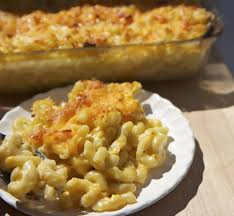
The Best Soul Food Mac N Cheese Recipe Baked
There’s nothing quite like a warm, bubbling dish of mac and cheese on a cozy evening. The scent alone can transport you back to childhood kitchens filled with love and comfort. If you’re craving that authentic, deeply satisfying taste, you’ve come to the right place.
This article will guide you through creating the ultimate soul food mac n cheese recipe baked, one that’s creamy, cheesy, and boasts that perfect crispy topping. You’ll learn simple yet effective techniques to elevate your mac and cheese from good to absolutely unforgettable, ensuring your guests (or just yourself!) will be begging for more.
Key Takeaways
- Discover the essential ingredients for authentic soul food mac n cheese.
- Learn the precise baking temperatures and times for a perfect crust.
- Understand how to achieve ultimate creaminess and cheesy flavor.
- Gain tips for customization to suit your personal taste.
- Master techniques to avoid common mac and cheese pitfalls.
Classic Soul Food Mac N Cheese Recipe Baked
This section lays the foundation for your delicious journey into making soul food mac n cheese. We’ll explore the core components that make this dish so special and beloved. It’s more than just pasta and cheese; it’s a tradition, a feeling, and a taste of home for many.
We will cover everything from selecting the right pasta shape to choosing the best cheeses that melt beautifully and offer a rich flavor profile.
Choosing Your Pasta
The pasta is the backbone of any mac and cheese dish, and for soul food style, certain shapes hold the creamy sauce better. Elbow macaroni is a classic for a reason. Its curves and hollow centers are perfect for trapping that velvety cheese sauce.
Other excellent choices include cavatappi, rotini, or shells. These shapes have nooks and crannies that ensure every bite is packed with flavor.
- Elbow Macaroni: The traditional choice, widely available and universally loved for its sauce-holding ability.
- Cavatappi: This corkscrew pasta has ridges and hollow centers, making it exceptional at capturing cheese.
- Rotini: Its spiral shape is excellent for holding thick, creamy sauces.
- Shells: Medium or large shells are also great, scooping up plenty of cheesy goodness.
When cooking your pasta, it’s crucial not to overcook it. You want it to be al dente, meaning it still has a slight bite. The pasta will continue to cook in the oven, and overcooked pasta will become mushy in your baked mac and cheese.
Aim to cook it for about 2 minutes less than the package directions suggest. This slight firmness ensures it holds up to the sauce and baking process.
The Cheesy Foundation
The heart of any great mac and cheese is, of course, the cheese. For soul food style, we’re aiming for a blend of sharp, flavorful cheeses that melt smoothly. A good starting point is sharp cheddar, which provides that classic tang and color.
Mixing in other cheeses can add depth and complexity. Monterey Jack offers a lovely meltability and a mild, creamy flavor. A touch of Gruyère or a good quality Colby can add nutty or slightly sweet notes.
When grating your cheese, always opt for a block of cheese and grate it yourself. Pre-shredded cheeses often contain anti-caking agents that can prevent them from melting as smoothly, resulting in a less creamy sauce. A fresh grate makes a noticeable difference in the final texture and flavor of your dish.
- Sharp Cheddar: Provides a tangy, robust flavor and bright orange color that is synonymous with classic mac and cheese.
- Monterey Jack: Known for its excellent melting properties and mild, creamy taste, it adds to the overall silkiness of the sauce.
- Colby: A milder cheese than cheddar, it offers a slightly sweet flavor and a soft texture, blending well with sharper cheeses.
- Gruyère: If you want to add a gourmet touch, Gruyère brings a nutty, complex flavor that complements cheddar beautifully.
A common mistake is using only one type of cheese. Combining cheeses creates a more nuanced and satisfying flavor. For instance, a sharp cheddar brings the punch, while Monterey Jack ensures a wonderfully smooth and creamy consistency.
Some home cooks also like to add a small amount of Parmesan for an extra salty kick, though this is less traditional for soul food mac and cheese.
Crafting the Creamy Cheese Sauce
The soul food mac n cheese recipe baked relies heavily on a perfectly executed cheese sauce. This sauce is where the magic truly happens, binding all the components together into a harmonious, comforting dish. We will break down how to create a sauce that is both incredibly rich and velvety smooth, without being greasy or grainy.
The Roux Method
A classic béchamel sauce, made with a roux, is the ideal base for baked mac and cheese. A roux is simply equal parts fat (like butter) and flour cooked together. This mixture thickens your liquid, in this case, milk.
The cooking time of the roux determines the color and flavor. For a cheese sauce, a white or blond roux is perfect.
Start by melting butter in a saucepan over medium heat. Whisk in an equal amount of all-purpose flour. Cook, whisking constantly, for about 1-2 minutes.
You’re just cooking out the raw flour taste; it should remain pale in color. This is your roux.
- Butter: Provides richness and a good base for cooking the flour.
- All-Purpose Flour: The thickening agent that creates the smooth texture of the sauce.
- Medium Heat: Crucial for cooking the roux without burning it, which would impart a bitter taste.
- Constant Whisking: Ensures the roux cooks evenly and prevents lumps from forming.
After the roux has cooked for a minute or two, gradually whisk in cold or room-temperature milk. Start with a small amount, whisking until smooth, then slowly add the rest. This gradual addition helps prevent lumps.
Bring the mixture to a simmer, continuing to whisk, until it thickens. This process typically takes about 5-8 minutes. A well-made béchamel sauce will coat the back of a spoon.
Melting the Cheese
Once your béchamel sauce has thickened, remove the pan from the heat before adding the cheese. This is a critical step to prevent the cheese from becoming oily or separated. Add your grated cheeses in handfuls, stirring gently until each batch is melted before adding the next.
Continue stirring until the sauce is smooth and glossy.
Season your cheese sauce with salt, black pepper, and a pinch of nutmeg. Nutmeg is a traditional addition to béchamel sauces and adds a subtle warmth that complements the cheese beautifully without being overpowering. Taste and adjust seasonings as needed.
Remember, the cheese itself is salty, so taste before adding too much salt.
A common error is adding cheese to a boiling sauce. When cheese is overheated, its proteins can seize up, leading to a greasy, stringy texture instead of a smooth, creamy one. By removing the pan from the heat, you allow the residual warmth to melt the cheese gently and evenly.
Enhancing the Flavor
Beyond the basic cheese and milk, a few additions can truly make your soul food mac n cheese shine. A touch of Dijon mustard adds a subtle tang that cuts through the richness. A dash of hot sauce, like a Louisiana-style sauce, can add a hint of spice without making the dish hot.
Some recipes call for a pinch of paprika for color and a very mild smoky flavor.
Don’t forget to season your pasta water with salt. This is the first step in flavoring the pasta itself. A well-seasoned pasta will contribute to the overall deliciousness of your mac and cheese.
Consider adding a dash of onion powder or garlic powder to the cheese sauce for an extra layer of savory flavor. These simple additions can make a significant impact on the depth of taste in your final dish.
Assembling and Baking the Perfect Dish
With your pasta cooked and your glorious cheese sauce ready, it’s time to bring it all together for the ultimate baked soul food mac n cheese experience. This stage is about layering flavors and textures to create that irresistible dish that’s crispy on top and wonderfully gooey underneath.
Combining Ingredients
In a large bowl, combine the drained, al dente pasta with your luscious cheese sauce. Stir gently until every piece of pasta is thoroughly coated. Ensure there are no dry spots.
This is where the sauce truly becomes one with the pasta, creating that signature creamy texture.
Pour the pasta and sauce mixture into a buttered baking dish. A 9×13 inch baking dish is standard for this type of recipe, serving about 6-8 people. Make sure the dish is evenly coated with butter or cooking spray to prevent sticking.
Spread the mixture evenly in the dish.
- Butter the Baking Dish: This prevents the mac and cheese from sticking and helps create a slightly crisped bottom layer.
- Even Distribution: Spreading the pasta and sauce evenly ensures consistent cooking and texture throughout.
Creating the Crispy Topping
The topping is what distinguishes a good mac and cheese from an exceptional one. For that sought-after crispy, golden-brown crust, several options work wonderfully. A classic topping is extra shredded cheese sprinkled generously over the top.
You can use more cheddar, or a mix of cheddar and Monterey Jack.
Another popular and delicious topping is breadcrumbs. Panko breadcrumbs are highly recommended for their light, airy texture, which bakes up exceptionally crispy. You can mix panko breadcrumbs with melted butter and a pinch of salt and pepper, then sprinkle them evenly over the cheese layer.
Some people like to add a little Parmesan cheese to the breadcrumbs for extra flavor.
- Extra Shredded Cheese: Creates a melted, bubbly crust that’s incredibly cheesy.
- Panko Breadcrumbs: For a light, airy crunch that contrasts beautifully with the creamy pasta.
- Melted Butter with Breadcrumbs: The butter helps the breadcrumbs toast to a perfect golden brown and adds richness.
A truly divine topping combines both cheese and breadcrumbs. Sprinkle a layer of cheese first, then top with the buttered breadcrumbs. This gives you the best of both worlds: a cheesy, gooey layer underneath a crunchy, golden crown.
Baking Instructions
Preheat your oven to 375 degrees Fahrenheit (190 degrees Celsius). This temperature is hot enough to create a beautifully browned crust without overcooking the pasta or drying out the sauce. Place the baking dish on a baking sheet to catch any potential drips and ensure even heat distribution.
Bake for 20-30 minutes, or until the top is golden brown and the sauce is bubbling around the edges. If you want an even crispier topping, you can broil it for the last 1-2 minutes, watching very carefully to prevent burning.
Allow the baked mac and cheese to rest for about 5-10 minutes after removing it from the oven. This resting period allows the sauce to set slightly, making it easier to serve and preventing it from being too runny.
Here’s a quick reference for baking:
| Oven Temperature | 375°F (190°C) |
|---|---|
| Baking Time | 20-30 minutes |
| Resting Time | 5-10 minutes |
Variations and Customizations
While the classic soul food mac n cheese recipe baked is fantastic on its own, it’s also a wonderful canvas for your creativity. Here, we explore how you can adapt this beloved dish to suit different tastes and dietary needs, ensuring everyone can enjoy a comforting bowl of cheesy goodness.
Adding Proteins
For a heartier meal, consider adding cooked proteins to your mac and cheese. Pulled pork or shredded chicken are excellent choices that pair beautifully with the rich cheese sauce. Crispy bacon bits sprinkled on top or mixed in add a salty, smoky crunch that’s irresistible.
Small pieces of cooked sausage can also be a delicious addition.
When adding proteins, ensure they are fully cooked before incorporating them into the dish. This way, they are simply heated through during the baking process, allowing their flavors to meld with the mac and cheese.
- Pulled Pork: Adds a smoky, tender element that’s a hallmark of Southern cuisine.
- Shredded Chicken: A lighter protein that soaks up the cheesy sauce wonderfully.
- Bacon Bits: Provide a salty, crispy counterpoint to the creamy texture.
- Cooked Sausage: Adds a savory, sometimes spicy, dimension to the dish.
Incorporating Vegetables
Vegetables can add color, texture, and nutritional value to your mac and cheese. Broccoli florets are a classic pairing; they add a slight crunch and a hint of freshness. Roasted cauliflower also works well, offering a slightly sweet and nutty flavor.
Sautéed onions and bell peppers can add a savory depth, especially if you’re a fan of Southern-style cooking.
If you’re adding vegetables, it’s often best to par-cook them before mixing them into the pasta and sauce. This ensures they are tender but not mushy after baking. Blanching broccoli or cauliflower for a few minutes, or sautéing onions and peppers until softened, are good preparatory steps.
For a spicy kick, consider adding jalapeño peppers. Finely chopped and seeded jalapeños can be mixed into the cheese sauce for a subtle heat. If you prefer a milder flavor, roasted red peppers offer a sweet and smoky taste.
Dairy-Free and Gluten-Free Adaptations
For those with dietary restrictions, soul food mac n cheese can still be enjoyed. Dairy-free versions can be made using plant-based milk (like oat or cashew milk) and a good quality dairy-free cheese alternative. Nutritional yeast can be added to the sauce to provide a cheesy flavor.
There are also many excellent dairy-free butter substitutes available.
Gluten-free mac and cheese can be achieved by using gluten-free pasta. Ensure the gluten-free pasta is cooked al dente, as it can sometimes be more prone to getting mushy. For the roux, you can use a gluten-free flour blend or cornstarch mixed with a little cold water to thicken the sauce.
Always check labels to ensure all ingredients are certified gluten-free.
Here’s a quick comparison table for adaptations:
| Adaptation | Key Substitutions | Notes |
|---|---|---|
| Dairy-Free | Plant-based milk, dairy-free cheese, nutritional yeast, dairy-free butter | Ensure dairy-free cheese melts well. |
| Gluten-Free | Gluten-free pasta, gluten-free flour blend or cornstarch | Cook gluten-free pasta carefully. |
Common Myths Debunked
Myth 1: Mac and cheese is unhealthy and should be avoided.
While mac and cheese can be rich, it’s a source of carbohydrates for energy and, depending on the cheese used, calcium and protein. The key to making it healthier lies in portion control and mindful ingredient choices, such as using whole wheat pasta or adding plenty of vegetables. It can absolutely be part of a balanced diet when enjoyed in moderation.
Myth 2: Using pre-shredded cheese is just as good as grating your own.
Pre-shredded cheeses often contain anti-caking agents like cellulose and potato starch. These prevent the cheese from clumping but can also inhibit smooth melting, leading to a less creamy and potentially grainy sauce. Grating cheese from a block ensures a silkier, more homogenous sauce that’s far superior in texture and flavor.
Myth 3: Boiling the cheese sauce makes it creamier.
This is actually the opposite of what you want. Boiling cheese, especially after it’s been incorporated into a sauce, can cause the fats and proteins to separate. This results in an oily, greasy sauce rather than a smooth, cohesive one.
It’s best to remove the sauce from direct heat before stirring in the cheese to allow it to melt gently.
Myth 4: Any pasta shape will work perfectly for baked mac and cheese.
While many pasta shapes can work, some are far superior for baked mac and cheese. Shapes with nooks, crannies, and hollow centers, like elbow macaroni, cavatappi, or shells, are best because they trap and hold the creamy cheese sauce. Long, thin pastas like spaghetti can leave sauce sliding off, making for a less satisfying bite.
Frequently Asked Questions
Question: What kind of milk is best for the cheese sauce?
Answer: Whole milk is generally recommended for the richest and creamiest cheese sauce, as its higher fat content contributes to a luxurious texture. However, 2% milk can also be used, though the sauce might be slightly less rich.
Question: How can I make my mac and cheese less greasy?
Answer: Ensure you remove the sauce from the heat before adding cheese, and add the cheese gradually, stirring until melted. Also, avoid using overly oily cheeses or adding too much butter to the sauce itself.
Question: Can I make soul food mac n cheese ahead of time?
Answer: Yes, you can assemble the mac and cheese and refrigerate it. Before baking, let it come to room temperature for about 30 minutes, or add a few extra minutes to the baking time.
Question: What are the best cheeses for a sharp flavor?
Answer: Sharp cheddar is the classic choice for a tangy flavor. For an even more intense taste, consider aged cheddars, or add a small amount of Gruyère or Parmesan.
Question: Should I cook the pasta until it’s completely soft?
Answer: No, cook the pasta only until it’s al dente, meaning it has a slight bite. It will continue to cook in the oven, and overcooked pasta will become mushy.
Summary
This guide equips you to create truly unforgettable soul food mac n cheese baked. By mastering the creamy cheese sauce with a proper roux and the right blend of cheeses, and by adding a perfectly crisped topping, your dish will be a guaranteed hit. Experiment with proteins and vegetables to make it your own.
Enjoy every cheesy, comforting bite!

Related Posts
Filipino Food for the Gods Recipe Easy Guide

Exploring Local D Food Collabs In Dalton GA