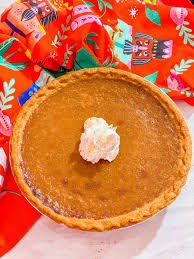
The Best Southern Sweet Potato Pie Recipe Soul Food
Remember those holidays at Grandma’s house The smell of spices and baking filled the air It was always Grandma’s sweet potato pie that stole the show Everyone would gather around the table waiting for that first perfect bite This post will help you recreate that magical experience with a classic southern sweet potato pie recipe soul food favorite. You’ll learn the secrets to a creamy filling and a flaky crust so you can impress your family and friends. Get ready to bake the pie everyone remembers.
Key Takeaways
- Understand the essential ingredients for an authentic soul food sweet potato pie.
- Learn techniques for achieving a smooth and creamy sweet potato filling.
- Discover tips for baking a perfect, flaky pie crust every time.
- Get advice on common pitfalls and how to avoid them for the best results.
- Find out how to properly store your delicious sweet potato pie.
Making the Perfect Southern Sweet Potato Pie Soul Food Base
This section focuses on the foundation of your sweet potato pie the pie itself and the ingredients that make it special. We will explore the types of sweet potatoes that work best and why. We will also discuss the role of each spice and how they combine to create that comforting soul food flavor.
Choosing Your Sweet Potatoes
For the most authentic flavor and texture, choose firm, medium-sized sweet potatoes. Avoid overly large ones as they can sometimes be watery. Varieties like Jewel or Garnet are excellent choices. They offer a rich, orange flesh and a naturally sweet taste that is perfect for pie filling.
* Selection Tips
You want sweet potatoes that feel solid and smooth. Look for ones without soft spots or blemishes. A good sweet potato will be heavy for its size, indicating it’s full of moisture and flavor.
The texture of the sweet potato is very important. It should be dense and have a vibrant color. This density translates into a creamy pie filling.
* Why These Varieties Matter
Jewel sweet potatoes are known for their deep orange flesh and high sugar content. This makes them ideal for desserts. Garnet sweet potatoes are similar, offering a slightly earthier flavor that is still delightful in pie.
These specific types have been used in traditional soul food cooking for generations. They provide the classic taste and mouthfeel that people expect from a true southern sweet potato pie.
Essential Flavoring Ingredients
The soul of this pie comes from its simple yet powerful flavorings. These ingredients work together to create a warm, comforting taste that defines southern baking.
* The Spice Blend
A classic southern sweet potato pie recipe soul food style typically includes cinnamon, nutmeg, and a touch of allspice or ginger. These spices are not just for scent; they deeply enhance the natural sweetness of the potato.
Cinnamon provides a warm, slightly sweet, and woody flavor. Nutmeg adds a pungent, warm, and slightly sweet note. Allspice combines the flavors of cinnamon, cloves, and nutmeg, offering a complex warmth. Ginger adds a zesty, spicy kick that balances the sweetness.
* Sweeteners and Binders
You will need sugar, and often a bit of brown sugar for added depth. Eggs are crucial for binding the ingredients and creating a rich, custard-like texture.
Brown sugar, with its molasses content, adds a caramel undertone that complements the sweet potato. Granulated sugar provides overall sweetness. Eggs bind everything together, giving the pie its signature creamy consistency and preventing it from becoming dry or crumbly.
Preparing the Sweet Potato Filling
The method you use to prepare the sweet potatoes greatly impacts the final texture of your pie. You want a smooth filling, free from lumps.
* Cooking Methods
Baking or steaming the sweet potatoes is preferred over boiling. Boiling can add too much water to the potatoes, making your filling too thin. Baking concentrates the sugars and flavors, resulting in a richer taste and thicker consistency.
To bake, prick the sweet potatoes all over with a fork. Place them on a baking sheet lined with parchment paper. Bake at 400°F (200°C) for about 45-60 minutes, or until very tender when pierced with a knife.
Steaming is another good option. Place sweet potatoes in a steamer basket over boiling water. Cover and steam until tender, about 30-40 minutes.
* Achieving Smoothness
Once cooked and slightly cooled, peel the sweet potatoes. Mash them thoroughly. You can use a potato masher, a ricer, or a food mill for the smoothest results. For an ultra-creamy filling, you can even pulse it a few times in a food processor.
A ricer or food mill will break down the potato fibers more effectively than mashing alone. This ensures no stringy bits remain. If using a food processor, be careful not to over-process, which can make the filling gummy.
The goal is a completely smooth puree. This smooth base is what gives the pie its luxurious texture.
Here is a quick look at the key ingredients for a classic southern sweet potato pie:
| Ingredient | Purpose |
|---|---|
| Sweet Potatoes | The star ingredient providing flavor and texture |
| Sugar (Granulated and Brown) | For sweetness and depth of flavor |
| Eggs | To bind the filling and create a creamy texture |
| Butter | Adds richness and moisture |
| Spices (Cinnamon, Nutmeg, Allspice/Ginger) | To create warm, comforting flavor notes |
| Evaporated Milk or Cream | For silkiness and a richer consistency |
| Vanilla Extract | Enhances other flavors |
Crafting the Perfect Pie Crust
A great sweet potato pie needs a great crust. This section covers how to make a flaky, tender crust that complements the rich filling. We will discuss ingredient ratios and simple techniques for success.
The Science of a Flaky Pie Crust
Flakiness in pie crust comes from pockets of fat that melt and create steam during baking, separating the dough layers. The key is to keep the fat cold and to handle the dough as little as possible.
* Fat Options and Their Role
All-butter crusts offer the best flavor but can be trickier to work with because butter melts quickly. A combination of butter and shortening is often ideal for home bakers. Shortening is more stable at room temperature, making the dough easier to handle, while butter provides superior taste.
Lard is another traditional fat used in southern baking. It creates an exceptionally flaky and tender crust. However, its availability and preference can vary.
The ratio of fat to flour is crucial. A higher fat content generally leads to a more tender and flaky crust.
* The Importance of Cold Ingredients
All your ingredients for the crust should be very cold. This includes your flour, fat, and water. Cold fat creates steam in the oven, leading to flaky layers.
Cut your butter or shortening into small cubes and chill them in the freezer for about 15-20 minutes before using. The water you add should be ice water, with a few ice cubes in it.
When mixing the dough, work quickly. The warmth of your hands can melt the fat.
Simple Steps for Making Pie Dough
Making pie dough from scratch is simpler than many people think. Follow these steps for a foolproof crust.
* Mixing the Dough
In a large bowl, whisk together your flour, salt, and any sugar you might be using for the crust. Cut in your cold, cubed fat using a pastry blender, two forks, or your fingertips until the mixture resembles coarse crumbs with some pea-sized pieces of fat remaining.
The pea-sized pieces of fat are important. They are what create the flaky layers. If you cut them in too small, you will have a tougher crust.
Add ice water a tablespoon at a time, mixing gently with a fork until the dough just comes together. You may not need all the water. The dough should not be sticky.
* Chilling and Rolling
Gather the dough into a ball, flatten it into a disc, wrap it in plastic wrap, and refrigerate for at least 30 minutes. This allows the gluten to relax and the fat to firm up again.
On a lightly floured surface, roll out the chilled dough into a circle about 12 inches in diameter. Carefully transfer the dough to your pie plate. Trim and crimp the edges as desired.
If you are blind baking the crust, you will want to prick the bottom of the crust with a fork. This prevents it from puffing up too much. You might also want to line it with parchment paper and pie weights.
Here are some tips for a perfect crust:
- Keep everything cold. This is the golden rule of pie crust making.
- Don’t overwork the dough. Handle it just enough to bring it together.
- Use good quality fats. Butter for flavor, shortening for flakiness.
- Rest the dough. Chilling is essential for a tender crust.
A common mistake is adding too much water. This makes the dough tough. Start with a small amount and add more only as needed. The dough should feel cohesive but not wet.
Assembling and Baking Your Southern Sweet Potato Pie
Now that you have your smooth filling and your beautiful crust, it’s time to bring them together and bake. This part is all about careful assembly and understanding baking temperatures and times.
Filling and Preparing for the Oven
Pour the prepared sweet potato filling into your chilled pie crust. Make sure the filling is evenly distributed.
* Filling the Crust
Gently pour the sweet potato mixture into the prepared pie shell. You can tap the bottom of the pie plate on the counter a few times to help settle the filling and remove any air bubbles.
If you want a decorative edge, now is the time to finish it. Crimp the edges with your fingers or a fork.
* Preventing a Soggy Bottom
A soggy bottom is the bane of any pie baker. To avoid this, ensure your crust is well-chilled before adding the filling. If you are blind baking, this step is especially important.
Even without blind baking, you can pre-bake the bottom crust for about 10-15 minutes at 375°F (190°C) before adding the filling. This helps set the crust.
Another trick is to lightly brush the bottom of the unbaked crust with a beaten egg white before adding the filling. The egg white acts as a barrier.
Baking Instructions and Tips
The baking process is crucial for setting the filling and achieving a golden-brown crust. Pay attention to temperature and timing.
* Oven Temperature and Time
Preheat your oven to 375°F (190°C). Place the pie on a baking sheet to catch any drips. Bake for about 45-60 minutes.
The pie is done when the edges are set and the center is mostly firm. You can gently jiggle the pie; it should only have a slight wobble in the very center. A knife inserted near the center should come out clean.
* Protecting the Crust
If the crust edges start to brown too quickly, cover them with strips of aluminum foil or a pie shield. This ensures the crust doesn’t burn while the filling finishes cooking.
You can also loosely tent the entire pie with foil for the last 15-20 minutes of baking if the top is browning too much.
The aroma filling your kitchen as the pie bakes is part of the joy. It is the scent of home and tradition.
Southern Sweet Potato Pie Recipe Soul Food Variations
While the classic recipe is beloved, there are many ways to put your own spin on this soul food staple. Exploring these variations can help you discover new favorite flavors and textures.
Adding Extra Richness and Flavor
Some bakers like to add ingredients that enhance the richness and depth of the sweet potato filling. These are often small additions that make a big difference.
* Dairy Choices
Instead of evaporated milk, some recipes use heavy cream or half-and-half for an even richer custard. A tablespoon of sour cream or Greek yogurt can also add a pleasant tang and creaminess.
The type of dairy you choose will affect the final texture and richness. Heavy cream makes for a very decadent pie.
* Spice and Flavor Enhancements
A splash of bourbon or a teaspoon of orange zest can add a wonderful complexity to the flavor profile. Some people also like to add a pinch of black pepper, which can surprisingly enhance the sweetness.
Orange zest brings a bright, citrusy note that cuts through the richness. Bourbon adds a warm, slightly smoky depth.
Crust Variations
Beyond the standard pastry crust, there are other options that can be used for this pie. These offer different textural experiences.
* Graham Cracker or Cookie Crust
A pre-baked graham cracker crust or a crushed gingersnap cookie crust can offer a delightful crunchy contrast to the smooth filling.
These crusts are very simple to make. Just mix crushed cookies with melted butter and press into the pie plate. They bake quickly and are less prone to sogginess.
* Shortbread Crust
A buttery shortbread crust provides a delicate, crumbly texture that is less flaky than a traditional pastry crust but equally delicious.
A shortbread crust adds its own rich flavor to the pie, complementing the sweet potato well.
Common Myths Debunked
Myth 1: You must use canned sweet potato puree.
Reality: While canned puree is convenient, fresh sweet potatoes are vastly superior for authentic flavor and texture. Canned versions can sometimes have a metallic taste or be too watery. Baking or steaming fresh sweet potatoes allows you to control the moisture and concentrate the natural sweetness.
Myth 2: Sweet potato pie is too difficult to make from scratch.
Reality: Making a southern sweet potato pie recipe soul food style from scratch is quite manageable. The steps are straightforward, and with a little practice, anyone can achieve delicious results. The most important parts are preparing the filling smoothly and not overworking the pie dough.
Myth 3: All sweet potatoes are the same for pie making.
Reality: As discussed, certain varieties like Jewel and Garnet are preferred for their flavor and texture. They have the right balance of sweetness and moisture. Using starchy varieties like those often used for fries might result in a drier or less flavorful pie.
Myth 4: Sweet potato pie is only for holidays.
Reality: While a classic holiday dessert, a delicious sweet potato pie can be enjoyed any time of year. Its comforting flavors make it a perfect treat for any occasion or just a simple dessert to share.
Frequently Asked Questions
Question: What is the best way to store leftover sweet potato pie
Answer: Leftover sweet potato pie should be covered and stored in the refrigerator. It will stay fresh for about 3 to 4 days.
Question: Can I make the pie filling ahead of time
Answer: Yes, you can make the sweet potato filling up to 2 days in advance. Store it in an airtight container in the refrigerator.
Question: My pie cracked on top what went wrong
Answer: A cracked pie can happen if the oven temperature was too high or if the pie was overbaked. Try to bake at a slightly lower temperature and remove it once the center is just set.
Question: What is evaporated milk
Answer: Evaporated milk is cow’s milk that has had 60 percent of its water removed through heating. It is thicker and richer than regular milk and is commonly used in baking for its creamy texture.
Question: How do I know if my sweet potatoes are cooked enough
Answer: Properly cooked sweet potatoes will be very tender when pierced with a fork or knife. They should yield easily to pressure.
Summary
Mastering this classic southern sweet potato pie recipe soul food favorite brings warmth and deliciousness to any table. You’ve learned about selecting the right sweet potatoes, creating a smooth, flavorful filling, and achieving a perfectly flaky crust. Simple techniques like keeping ingredients cold and not overworking the dough are key.
With these tips, you are ready to bake a pie that will be remembered and cherished.

Related Posts
Filipino Food for the Gods Recipe Easy Guide

Exploring Local D Food Collabs In Dalton GA