The Best Cottage Pie Recipe BBC Good Food Guide
Remember those chilly evenings when a hearty, comforting meal felt like a warm hug? For many, that meal was a classic cottage pie. It’s the kind of dish that brings families together around the dinner table.
This guide will walk you through creating a delicious cottage pie recipe BBC Good Food style, ensuring your next attempt is a showstopper. You’ll learn simple tips to elevate this traditional favorite, making it richer, more flavorful, and incredibly satisfying.
Key Takeaways
- Master the art of browning minced beef for maximum flavor.
- Discover the secrets to a perfectly creamy and savory mashed potato topping.
- Learn about essential flavor boosters to make your cottage pie stand out.
- Understand ingredient substitutions for dietary needs or pantry staples.
- Get tips on serving and presentation for a truly impressive meal.
Perfecting Your Cottage Pie Base
This section is all about building the foundation of your cottage pie. The filling is where the magic begins. A well-made mince filling is savory, rich, and packed with flavor. It’s the heart of the dish, and getting it right makes all the difference.
Choosing Your Mince
The type of mince you use affects the final taste and texture. For traditional cottage pie, beef mince is the standard. Look for mince with a good fat content, around 15-20%. This fat renders down during cooking, adding moisture and deep flavor.
* Beef Mince Fat Content
Higher fat content means a richer, more flavorful filling. Lean mince can sometimes result in a drier pie. Aim for a mince that feels moist but not overly greasy.
For a classic cottage pie, beef mince is the go-to. The fat in beef mince adds a wonderful richness that leaner meats can’t quite replicate. When the mince cooks, this fat melts, coating the meat and vegetables, creating a deeply satisfying base. If you’re concerned about fat, you can drain some of it off after browning, but don’t remove all of it.
Browning the Mince
Browning is a critical step. It’s not just about cooking the meat; it’s about developing flavor through the Maillard reaction. This is the chemical process that creates the delicious brown crust on meat and other foods.
* The Maillard Reaction Explained
The Maillard reaction occurs when amino acids and reducing sugars in food react at high temperatures. This reaction produces hundreds of different flavor compounds, giving browned food its characteristic aroma and taste. Properly browned mince will have a deep brown color, not gray or pale.
To achieve this, use a hot pan and cook the mince in batches if necessary. Overcrowding the pan steams the meat instead of browning it. Stir the mince regularly, breaking it up into small pieces. This ensures even cooking and maximum surface area for browning.
Adding Vegetables for Depth
Carrots, onions, and celery are the classic base vegetables for a cottage pie. They add sweetness, aroma, and texture. Chop them finely so they cook down and meld into the mince sauce.
* Aromatic Vegetables (Mirepoix)
Onions, carrots, and celery form a flavor base known as mirepoix. When sautéed, onions release their sweetness, carrots add earthy notes, and celery provides a subtle savory depth. These vegetables soften and become tender, creating a delicious backdrop for the mince.
Sautéing these vegetables before adding the mince allows them to soften and release their natural sugars. This creates a sweeter, more complex base for your pie. Cook them until they are tender and slightly caramelized. This process can take 5-10 minutes.
The Rich Gravy Base
A good gravy ties everything together. Flour is often used to thicken the juices, creating a rich sauce. Stock and tomato paste add depth of flavor.
* Creating the Gravy
After browning the mince and sautéing the vegetables, you’ll often add a tablespoon or two of flour. Stir this into the meat and vegetable mixture and cook for a minute or two. This is called making a roux, and it helps thicken the sauce. Then, gradually whisk in beef stock and a spoonful of tomato paste. Tomato paste adds a concentrated burst of savory flavor and a lovely reddish hue to the filling.
The simmering process allows the flavors to meld. You want a thick, rich sauce that coats the mince and vegetables. If it’s too thin, you can let it simmer longer or thicken it with a cornstarch slurry. A good cottage pie filling should be moist but not watery.
Crafting the Perfect Potato Topping
The topping is just as important as the filling. A smooth, creamy, and flavorful mashed potato topping provides a delightful contrast to the savory mince.
Selecting the Right Potatoes
Floury potatoes are best for mashing. Varieties like Maris Piper, King Edward, or Russets are excellent choices because they contain less moisture and break down easily, creating a fluffy mash. Waxy potatoes, like new potatoes, tend to become gluey.
* Floury vs. Waxy Potatoes
Floury potatoes have a higher starch content and lower moisture, which makes them ideal for mashing. When cooked, they become dry and fluffy. Waxy potatoes have more moisture and less starch, so they hold their shape well and are better suited for boiling, roasting, or salads.
For the creamiest mash, start with good quality floury potatoes. Peel them and cut them into roughly equal-sized chunks. This ensures they all cook at the same rate.
Mashing Techniques
Boil the potatoes until they are very tender. Drain them thoroughly and let them steam dry in the colander for a few minutes. This removes excess water, which is key to preventing a watery mash.
* Steaming Dry Potatoes
After boiling, drain the potatoes completely. Place the colander back on the warm stove for a minute or two. The residual heat will help evaporate any remaining water clinging to the potatoes. This simple step makes a big difference in the texture of your mash.
Mash the potatoes while they are still hot. You can use a potato masher for a slightly textured mash or a ricer for an exceptionally smooth consistency. Avoid using a food processor or blender, as this can overwork the starch and make the mash gummy.
Enriching Your Mash
For a truly decadent topping, add butter and milk or cream. Season generously with salt and pepper. A pinch of nutmeg can also add a lovely warmth.
* Adding Butter and Dairy
Warm the butter and milk or cream before adding them to the mashed potatoes. This helps them incorporate more easily and prevents the mash from cooling down too much. The amount of butter and liquid depends on your preference for richness and creaminess.
Don’t be shy with the seasoning. Salt and freshly ground black pepper are essential. Taste and adjust as needed. Some people also like to add a grating of Parmesan cheese or a touch of garlic powder for extra flavor.
Achieving the Perfect Texture
The goal is a smooth, creamy, and fluffy mash that holds its shape. It should be thick enough to form a nice layer over the mince.
* Common Mashed Potato Mistakes
Over-mashing is a common pitfall. It breaks down the starch too much, leading to a gummy texture. Using cold milk or butter can also make the mash dense. Ensure everything is warm when you combine it.
Once mashed and enriched, spread the potato topping evenly over the mince filling. Use a fork to create some texture on top; these ridges will crisp up beautifully in the oven.
Elevating Your Cottage Pie Flavor
Beyond the basic ingredients, a few additions can transform your cottage pie into something truly special. These are the little touches that make a recipe stand out.
Umami Boosters
Umami is the fifth taste, often described as savory or meaty. Ingredients rich in umami can add incredible depth to your cottage pie filling.
* Worcestershire Sauce and Soy Sauce
A good splash of Worcestershire sauce is a classic addition to cottage pie. It provides a tangy, savory, and slightly sweet flavor that complements the beef perfectly. Soy sauce can be used as an alternative or in addition, adding another layer of umami richness.
These sauces are fermented, meaning they have undergone a process that breaks down proteins into amino acids, including glutamate, which is responsible for the umami taste. They are potent flavor enhancers, so a little goes a long way.
Herbs and Spices
Fresh or dried herbs can add aroma and complexity. Thyme and rosemary are particularly well-suited to beef dishes. A bay leaf simmered in the sauce adds a subtle, aromatic note.
* Aromatic Herbs
Thyme offers a slightly minty and earthy flavor, while rosemary has a pine-like aroma and taste. Both pair wonderfully with beef. A bay leaf, when simmered and then removed, imparts a subtle herbal fragrance without overpowering the dish.
These herbs can be added during the simmering stage to allow their flavors to infuse the sauce. If using fresh herbs, you might add them towards the end of cooking for a brighter flavor.
A Touch of Sweetness
A little sweetness can balance the savory flavors. This can come from caramelizing the vegetables or adding a tiny pinch of sugar.
* Caramelizing Vegetables
When you sauté the onions and carrots until they are soft and slightly browned, you are caramelizing them. This process brings out their natural sugars, adding a lovely sweetness and depth to the overall flavor profile of the pie filling.
This sweetness cuts through the richness of the beef and creates a more rounded, balanced taste. It’s a subtle effect but contributes significantly to the dish’s deliciousness.
BBC Good Food Cottage Pie Recipe Variations
The beauty of a classic dish like cottage pie is its adaptability. You can easily tailor it to your preferences or dietary needs.
Vegetarian and Vegan Options
Replacing the beef is straightforward. Lentils, mushrooms, or a mix of vegetables can create a hearty vegetarian filling. For a vegan version, use plant-based milk and butter for the mash and omit any dairy from the filling.
* Lentil and Mushroom Filling
Brown or green lentils hold their shape well and provide a satisfying, “meaty” texture. Sautéed mushrooms, especially varieties like portobello or shiitake, add deep umami flavor. Combine these with finely chopped vegetables and a rich gravy made with vegetable stock.
These alternatives are not only good for those with dietary restrictions but also offer new flavor profiles. A well-made vegetarian or vegan cottage pie can be just as delicious and comforting as the traditional version.
Sweet Potato Topping
For a different flavor and nutritional profile, try topping your cottage pie with mashed sweet potato instead of regular potato.
* Sweet Potato Mash Benefits
Sweet potatoes are packed with vitamins A and C, as well as fiber. They have a naturally sweet flavor and a vibrant orange color that looks beautiful on top of the pie.
Boil or roast sweet potatoes until tender, then mash them with a little butter or olive oil and seasoning. The sweetness of the sweet potato complements the savory mince filling beautifully.
Cheese Topping Variations
Adding cheese to the potato topping is a popular choice. Grated cheddar or a sprinkle of Parmesan can add an extra layer of flavor and create a lovely crispy crust.
* Cheese and Potato Combination
Grating cheddar cheese and mixing it into the mashed potatoes, or sprinkling it on top before baking, adds a delightful savory, cheesy flavor. A small amount of grated Parmesan cheese mixed in can also add a significant flavor boost due to its aged, nutty notes.
The cheese melts and browns in the oven, creating delicious crispy bits and adding to the overall comforting appeal of the dish. Make sure to spread the mash evenly and then sprinkle the cheese on top.
Serving and Presentation Tips
The way you serve your cottage pie can enhance the overall dining experience. Simple touches can make a big difference.
Resting the Pie
After baking, let the cottage pie rest for about 10-15 minutes before serving. This allows the filling to settle and makes it easier to slice cleanly.
* Why Resting is Important
When a pie is freshly out of the oven, the filling is very hot and fluid. Allowing it to sit lets the sauce thicken slightly and the layers to firm up. This results in neater portions and prevents the filling from spilling out when you cut into it.
This short waiting period is crucial for a visually appealing and easy-to-serve pie. It ensures that the savory mince stays within its boundary and doesn’t run everywhere.
Accompaniments
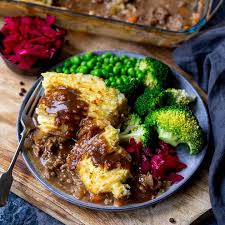
Cottage pie is a complete meal on its own, but a side of steamed green vegetables like broccoli or peas can add freshness and color.
* Balancing Flavors and Textures
Green vegetables offer a contrast to the rich, savory pie. They add color, vitamins, and a lighter texture to the meal. Simple steamed broccoli or bright green peas are classic pairings that work wonderfully.
These simple sides complement the hearty nature of cottage pie without overpowering its flavors. They provide a healthy balance to the comforting meal.
Presentation Ideas
Serve generous portions directly from the baking dish. A sprinkle of fresh parsley or chives on top can add a touch of color and freshness.
* Garnishing for Visual Appeal
Chopped fresh parsley or chives can add a bright green contrast to the golden-brown potato topping. This simple garnish makes the dish look more appealing and signals freshness.
Serving the cottage pie in its rustic baking dish often adds to its charm. It emphasizes the homemade, comforting nature of the meal.
Common Myths Debunked
Frequently Asked Questions
Question: What is the best type of mince for cottage pie
Answer: For a traditional cottage pie, a beef mince with around 15-20% fat content is ideal. This fat renders during cooking, making the filling moist and flavorful.
Question: Can I make cottage pie ahead of time
Answer: Yes, you can prepare the filling and topping separately and assemble the pie a day in advance. Bake it just before serving, adding a few extra minutes to the cooking time if serving from cold.
Question: How do I prevent my mashed potato topping from being watery
Answer: Ensure your potatoes are steamed dry after boiling. Mash them while hot and add warmed milk and butter gradually to achieve a creamy, not watery, consistency.
Question: Can I freeze cottage pie
Answer: Cottage pie freezes well. Bake it first, let it cool completely, then wrap it tightly or portion it into freezer-safe containers. Reheat thoroughly in the oven.
Question: What makes cottage pie different from shepherd’s pie
Answer: Cottage pie is traditionally made with beef mince, while shepherd’s pie is made with lamb mince. Both feature a mashed potato topping.
Wrap Up
Creating a delicious cottage pie is about simple steps done well. From browning the mince perfectly to achieving a creamy potato topping, each stage matters. This guide offers clear instructions for a fantastic cottage pie recipe, BBC Good Food style, ensuring a comforting and flavorful meal every time. Enjoy making and sharing this classic dish.

Related Posts
Filipino Food for the Gods Recipe Easy Guide

Exploring Local D Food Collabs In Dalton GA