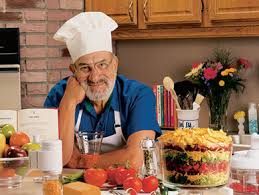
Mr Food Today’s TV Recipe Guide
Are you staring into your fridge wondering what to make for dinner? Maybe you just saw a mouthwatering dish on TV and are desperate to recreate it. It happens to the best of us!
Finding that perfect recipe that’s both delicious and achievable can be a quest. This post is here to guide you directly to the amazing dishes you’ve seen. We’ll help you discover how to find and make mr food today’s tv recipe creations easily.
You’ll learn where to look, what to expect, and how to bring those fantastic meals from your screen to your table.
Key Takeaways
- Easy ways to find mr food today’s tv recipe online.
- Tips for adapting TV recipes for home kitchens.
- Understanding ingredient substitutions for common recipes.
- How to get the best results when following TV cooking instructions.
- Building confidence in trying new mr food today’s tv recipe ideas.
Finding Mr Food Today’s TV Recipe
Locating a specific recipe shown on television can sometimes feel like searching for a needle in a haystack. Television cooking segments are often brief, showcasing a dish without immediately providing a detailed recipe. However, many shows and personalities have established online presences where they archive their recipes.
This makes it much simpler to track down that dish you loved. Think about the show or the chef you saw. Knowing this can point you in the right direction.
Many popular cooking shows have official websites that serve as a treasure trove for viewers. These sites usually have dedicated sections for recipes featured in recent episodes. Sometimes, you might catch the chef mentioning their website or a social media handle during the broadcast, which is a direct clue.
Official Show Websites
The most reliable place to find mr food today’s tv recipe is usually the official website of the cooking show itself. These websites are designed with viewers in mind, offering organized archives of past recipes. You can often browse by episode, by ingredient, or by meal type.
This makes finding a specific dish much more efficient. For instance, if you saw a segment on “The Great American Recipe,” you would head to their official site and look for a recipe archive. Many sites also feature search bars, allowing you to type in keywords related to the dish, like “lemon chicken” or “chocolate cake.”
These official platforms are a valuable resource for home cooks. They often include not just the recipe but also helpful tips, cooking techniques demonstrated in the episode, and sometimes even user reviews or photos. This can give you a better sense of how the dish turned out for others.
It’s a great way to ensure you’re getting the most accurate and complete information for the recipe you’re looking for.
Chef and Personality Blogs
Many famous chefs and television cooking personalities maintain their own blogs or personal websites. These platforms are often where they share their favorite recipes, behind-the-scenes content, and cooking advice. If you remember the name of the chef or personality who presented the recipe, searching for their personal website is a smart move.
These blogs can offer a more personal touch, with stories behind the recipes and insights into the chef’s cooking philosophy. They are excellent sources for finding mr food today’s tv recipe, especially if the recipe was a signature dish of that particular chef.
For example, if you enjoyed a recipe from Ina Garten, her website Barefoot Contessa will likely have it. Similarly, if you watched a segment by a guest chef, checking their individual professional website might be the key. These sites often feature high-quality photos and sometimes even video tutorials, making it easier to follow along.
They act as a central hub for all things related to that chef’s culinary world.
Social Media and Fan Communities
Social media platforms like Facebook, Instagram, and Pinterest are also great places to find recipes. Many TV shows and chefs use these platforms to share quick recipe updates, links to their full recipes, or even short video demonstrations. Searching hashtags related to the show or the chef can often lead you to the recipe you’re after.
For instance, a search for #MrFoodTVRecipes or a specific show’s hashtag might yield good results. Fan communities and forums dedicated to cooking shows can be another excellent resource. Enthusiastic viewers often share their discoveries, including links to recipes they’ve found.
These communities can be incredibly helpful, as members are often eager to help others locate specific dishes.
Sometimes, a quick post in a fan group asking “Does anyone have the recipe for that amazing pasta dish from last night’s episode?” can get you the answer and the link within minutes. These communities foster a shared love for cooking and often have members who are very resourceful in tracking down recipes. It’s a collaborative way to find what you’re looking for and connect with other food lovers.
Adapting TV Recipes for Home Cooking
Watching a recipe prepared on television can make it look effortless. However, adapting those methods and ingredients for your own kitchen often requires a few tweaks. TV chefs typically have access to professional equipment and may work with ingredients that are not readily available to the average home cook.
Understanding how to make these adjustments is key to successfully recreating mr food today’s tv recipe. It’s not just about swapping ingredients; it’s also about considering your own kitchen’s capabilities and your available time.
Ingredient Substitutions
One of the most common challenges when following a TV recipe is encountering an ingredient you don’t have or can’t easily find. Fortunately, most ingredients have viable substitutes. The goal is to maintain the flavor profile and texture of the original dish as much as possible.
For example, if a recipe calls for a specific type of fresh herb, you can often use dried herbs, though you’ll need to adjust the quantity. A general rule of thumb is to use one-third the amount of dried herbs compared to fresh. If a recipe calls for a particular cut of meat, consider a similar cut that might be more economical or readily available.
Let’s say a TV recipe features a gourmet cheese that’s hard to find. Researching similar cheeses with comparable melting properties and flavor profiles can help. For instance, Gruyère can often be substituted with Emmental or even a good quality Swiss cheese.
When substituting spices, think about their primary flavor notes. If a recipe needs a smoky flavor and you don’t have smoked paprika, you might try a pinch of chipotle powder or even a tiny bit of liquid smoke, used sparingly. Always taste and adjust as you go, especially when experimenting with substitutions.
This allows you to fine-tune the flavors to your liking.
Equipment Considerations
TV chefs often use specialized tools that aren’t standard in most home kitchens. A mandoline slicer, a stand mixer with multiple attachments, or a sous vide machine might be featured. You don’t need these exact tools to make a great dish.
For instance, if a recipe calls for a mandoline for thinly slicing vegetables, a sharp knife and a steady hand can achieve a similar result. Take your time and practice makes perfect. If a recipe requires a stand mixer for kneading dough, you can almost always do this by hand.
It will take a bit more effort and time, but the outcome will be comparable.
Consider a scenario where a TV chef uses a precise kitchen torch to caramelize sugar for a crème brûlée. At home, you can achieve a similar effect using the broiler setting on your oven. Keep a close eye on it, as broilers work quickly.
If a recipe demonstrates a technique like emulsifying a sauce in a high-powered blender, a regular whisk and some patient stirring can often work just as well for home cooks. The key is to identify the purpose of the equipment and find a manual or simpler alternative that achieves the same culinary goal.
Adjusting Cooking Times and Temperatures
Home ovens and stovetops can vary significantly from the professional equipment seen on TV. This means cooking times and temperatures might need slight adjustments. A recipe might state to bake a cake at 350°F for 30 minutes.
Your oven might run hotter or cooler. It’s always a good idea to start checking for doneness a few minutes before the suggested time is up. Use visual cues and the toothpick test for cakes and baked goods.
For stovetop cooking, watch for how quickly things are browning or simmering.
If a recipe suggests searing meat over high heat, your home stove might not reach that same intense level. You might need to sear for a slightly longer period or in batches to avoid overcrowding the pan, which can steam the meat instead of searing it. Similarly, if a recipe calls for a rapid boil, your stovetop might take longer to reach that point.
Patience is important. Understanding your own equipment and making small adjustments based on its performance will lead to more consistent results. This is a fundamental part of successfully making mr food today’s tv recipe creations your own.
Mastering TV Cooking Techniques
Television cooking shows are not just about the final dish; they are also about the techniques demonstrated by the chefs. Learning these techniques can elevate your home cooking significantly. Chefs often have streamlined methods that save time and improve the quality of the food.
Paying attention to how they chop, sauté, emulsify, or bake can provide valuable insights. These demonstrations are a free masterclass, available right in your living room. You can learn new skills that apply to a wide range of recipes, not just the ones you see on screen.
Knife Skills
Proper knife skills are fundamental to efficient and safe cooking. On TV, chefs often demonstrate swift and precise chopping, dicing, and mincing. While achieving that speed takes practice, understanding the basic techniques is accessible.
Learning how to hold a knife correctly, how to use your non-knife hand as a guide, and the proper motion for different cuts can make a huge difference. For instance, the claw grip, where you curl your fingertips inward, protects them while guiding the blade. Mastering these basics helps in preparing ingredients more uniformly, which leads to more even cooking.
A common demonstration you’ll see is how to dice an onion. Chefs start by cutting the onion in half, then making horizontal cuts without slicing through the root, followed by vertical cuts, and finally crosswise cuts to create a perfect dice. This systematic approach ensures uniformity.
Similarly, learning to mince garlic involves smashing it with the side of your knife, then using a rocking motion to chop it finely. These techniques might seem small, but they contribute greatly to the overall success of a dish and make preparing mr food today’s tv recipe much smoother.
Sautéing and Searing
Sautéing and searing are vital techniques for developing flavor and texture in many dishes. Sautéing involves cooking food quickly in a small amount of hot fat. The key is to have a hot pan and not overcrowd it, which allows the food to brown rather than steam.
Searing, on the other hand, is typically done at a higher heat to create a flavorful crust on meats. Chefs often emphasize the importance of a hot pan before adding ingredients for searing.
When a chef sautés vegetables, you’ll notice they often stir or toss them frequently. This ensures even cooking and prevents burning. For searing steaks, they might achieve a deep brown crust by letting the meat sit undisturbed for a few minutes on each side.
Understanding the science behind it – the Maillard reaction – explains why browning is so important for flavor. This reaction occurs between amino acids and reducing sugars at high temperatures, creating hundreds of new flavor compounds. These methods are often highlighted when presenting mr food today’s tv recipe and are easy to practice.
Emulsification Techniques
Emulsification is the process of combining two liquids that don’t normally mix, like oil and vinegar, to create a stable mixture. Think of mayonnaise or a vinaigrette dressing. TV chefs often demonstrate how to achieve a perfect emulsion by slowly adding one ingredient while whisking constantly.
For instance, when making mayonnaise, egg yolks act as the emulsifier, with the oil being added in a very thin, steady stream. This slow addition and constant agitation are crucial for breaking down the oil into tiny droplets that are suspended within the water-based ingredients.
A common example on TV is making a hollandaise sauce, which is an emulsion of egg yolks and butter. Chefs will whisk the yolks and slowly drizzle in melted butter. If the butter is added too quickly, the sauce can “break,” meaning the oil and water separate.
Sometimes, if a sauce does break, a chef might show a trick to fix it by starting with a fresh egg yolk in a clean bowl and slowly whisking the broken sauce into it. Mastering these techniques is essential for many sauces and dressings that are frequently featured in mr food today’s tv recipe segments.
Baking Fundamentals
Baking requires precision, and TV chefs often highlight key fundamentals. This includes accurate measuring of ingredients, preheating the oven properly, and understanding how different ingredients interact. For example, the ratio of flour to fat and sugar is critical in cakes and cookies.
Chefs might demonstrate creaming butter and sugar together until light and fluffy, a step that incorporates air and contributes to the texture of baked goods. They also emphasize not overmixing once flour is added, as this can develop gluten too much, leading to tough baked items.
Understanding the role of leavening agents like baking powder and baking soda is also important. Chefs will often explain that baking soda needs an acidic ingredient to react with, while baking powder contains both an acid and a base. They might also discuss the importance of room temperature eggs and butter for achieving the best texture.
When you see a perfectly risen cake or golden-brown cookies on TV, it’s often the result of these fundamental baking principles being applied correctly. These are the same principles that will help you succeed with mr food today’s tv recipe baked goods.
Making Mr Food Today’s TV Recipe Your Own
While following a recipe is important, the true joy of cooking often comes from personalizing dishes. Once you’ve mastered the basics and understood the techniques, you can start making mr food today’s tv recipe truly your own. This involves adding your personal touch, adapting it to your preferences, and experimenting with new flavors.
It’s about transforming a good recipe into a great one that reflects your own culinary style and tastes.
Experimenting with Flavors
Don’t be afraid to play with spices and seasonings. If a recipe calls for a certain spice, consider adding a complementary one or a pinch of something unexpected. For example, a pinch of cinnamon can add surprising depth to savory dishes like chili or stews.
Likewise, a little heat from chili flakes can liven up a sweet dessert. Think about the flavor profiles of the ingredients already in the dish and how new spices might enhance or contrast with them. For instance, if a recipe is rich and creamy, a bright, acidic element like lemon zest or a splash of vinegar can cut through that richness.
Consider a scenario where you find a recipe for roast chicken. While the original might call for rosemary and thyme, you could experiment with a Mediterranean twist by adding oregano and a bit of lemon. Or, for an Asian-inspired flavor, you might try ginger, garlic, and soy sauce.
Always taste as you go. A small adjustment can make a big difference. This experimentation is how many classic dishes were invented, starting from a basic idea and evolving over time with creative input.
Presentation Matters
The visual appeal of food is a significant part of the dining experience, and TV chefs are masters of presentation. Even a simple dish can look spectacular with a few thoughtful touches. Think about garnishes, plating techniques, and color contrast.
A sprinkle of fresh herbs, a drizzle of sauce, or a swirl of cream can elevate a dish instantly. For example, a pasta dish can be made more appealing by topping it with fresh basil leaves and a grating of Parmesan cheese.
When serving soups or stews, consider a swirl of crème fraîche or a sprinkle of croutons. For desserts, fresh berries, a dusting of powdered sugar, or a mint sprig can make them look professionally prepared. Even the way you arrange food on the plate matters.
Instead of piling everything in the center, consider fanning out slices of meat or vegetables. Think about the colors on the plate; a variety of colors generally makes a dish more attractive. These small steps can make your mr food today’s tv recipe look as good as it tastes.
Making It Healthier
Many TV recipes are designed for indulgence, but you can often adapt them to be healthier without sacrificing flavor. This might involve making simple swaps. For instance, you can often reduce the amount of butter or oil used by relying on non-stick cookware or adding a little broth or water to sauté ingredients.
When baking, consider using whole wheat flour instead of all-purpose flour, or reducing the sugar content slightly and compensating with natural sweeteners like unsweetened applesauce or mashed banana. For creamy sauces, pureed vegetables like cauliflower or white beans can add thickness and nutrients while reducing the need for heavy cream.
Leaner protein options can be swapped in, such as chicken breast instead of thighs, or fish instead of fattier meats. You can also boost the nutritional value by adding extra vegetables to dishes like stir-fries, pasta sauces, or casseroles. For example, adding spinach, bell peppers, or zucchini to a pasta sauce is an easy way to incorporate more fiber and vitamins.
These adjustments allow you to enjoy delicious mr food today’s tv recipe creations in a way that aligns with your health goals. It’s about finding a balance that works for you and your family.
Common Myths Debunked
Myth 1: TV recipes are too difficult for beginners
Many TV chefs aim to make their recipes accessible to a broad audience. While some may showcase advanced dishes, most shows feature a range of recipes, from simple weeknight meals to more elaborate weekend projects. The visual demonstrations on TV can actually make complex steps easier to follow than reading a written recipe alone.
Beginners can start with the simpler recipes and gradually build their skills.
Myth 2: You need professional kitchen equipment to make TV recipes
This is a common misconception. While chefs may use professional-grade tools, most TV recipes are designed with home kitchens in mind. As discussed earlier, common kitchen tools can be used as substitutes for specialized equipment.
The focus is on the technique and ingredients, not necessarily the specific brand of appliance.
Myth 3: TV recipes are always unhealthy
While some popular TV cooking segments might focus on rich or decadent dishes, many chefs also promote healthy eating. Furthermore, as we’ve explored, most recipes can be adapted to be healthier. Making simple substitutions for fats, sugars, and proteins allows you to enjoy the flavors and concepts from TV in a more health-conscious way.
Myth 4: You must use exact ingredients shown on TV
Ingredient availability varies greatly by location and season. TV recipes often feature specific brands or unique ingredients for visual appeal or story-telling. However, the underlying cooking principles and flavor profiles are usually adaptable.
Learning to substitute ingredients is a key skill that allows you to recreate dishes even if you can’t find every single item.
Frequently Asked Questions
Question: Where is the best place to look for mr food today’s tv recipe?
Answer: The best places to look are the official websites of cooking shows, the personal blogs of chefs, and social media channels where they share their recipes. Fan communities and cooking forums can also be very helpful.
Question: What if I can’t find a specific ingredient from a TV recipe?
Answer: You can usually substitute it with a similar ingredient that provides a comparable flavor and texture. Researching common substitutions for that ingredient is a good first step.
Question: How can I make a TV recipe healthier?
Answer: You can make a recipe healthier by reducing fats and sugars, using leaner proteins, adding more vegetables, and opting for whole grains. Simple swaps can make a big difference.
Question: Do I need special cooking tools to follow TV recipes?
Answer: No, most TV recipes can be made with standard home kitchen equipment. Chefs often use professional tools, but there are usually readily available alternatives for home cooks.
Question: How can I get my food to look as good as it does on TV?
Answer: Focus on presentation. Use garnishes, arrange food attractively on the plate, and consider color contrast. Even small touches can significantly improve the visual appeal of your dish.
Conclusion
You can confidently find and create mr food today’s tv recipe. By using official websites and chef blogs, you locate the exact dishes you loved. Adapting ingredients and techniques to your own kitchen makes them achievable.
Experimenting with flavors and presentation lets you personalize them. Enjoy bringing delicious TV-inspired meals to your table.

Related Posts
Filipino Food for the Gods Recipe Easy Guide
Exploring Local D Food Collabs In Dalton GA